

SnapWords® List B

Price
Regular price $36.00
Regular price Sale price $36.00
Save $-36
/
Format
Format Guide

Physical: physical product with digital resources

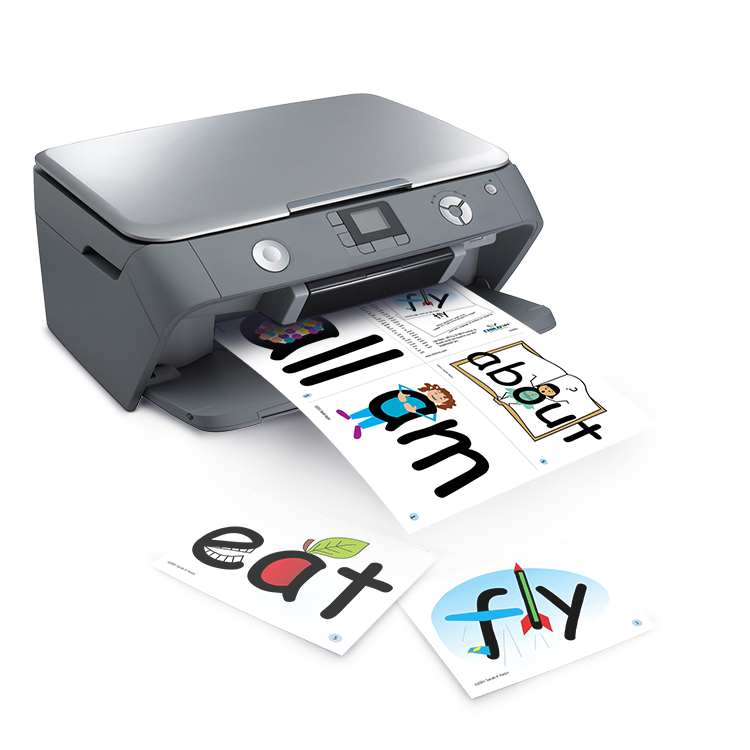
Download: printable PDF file(s)

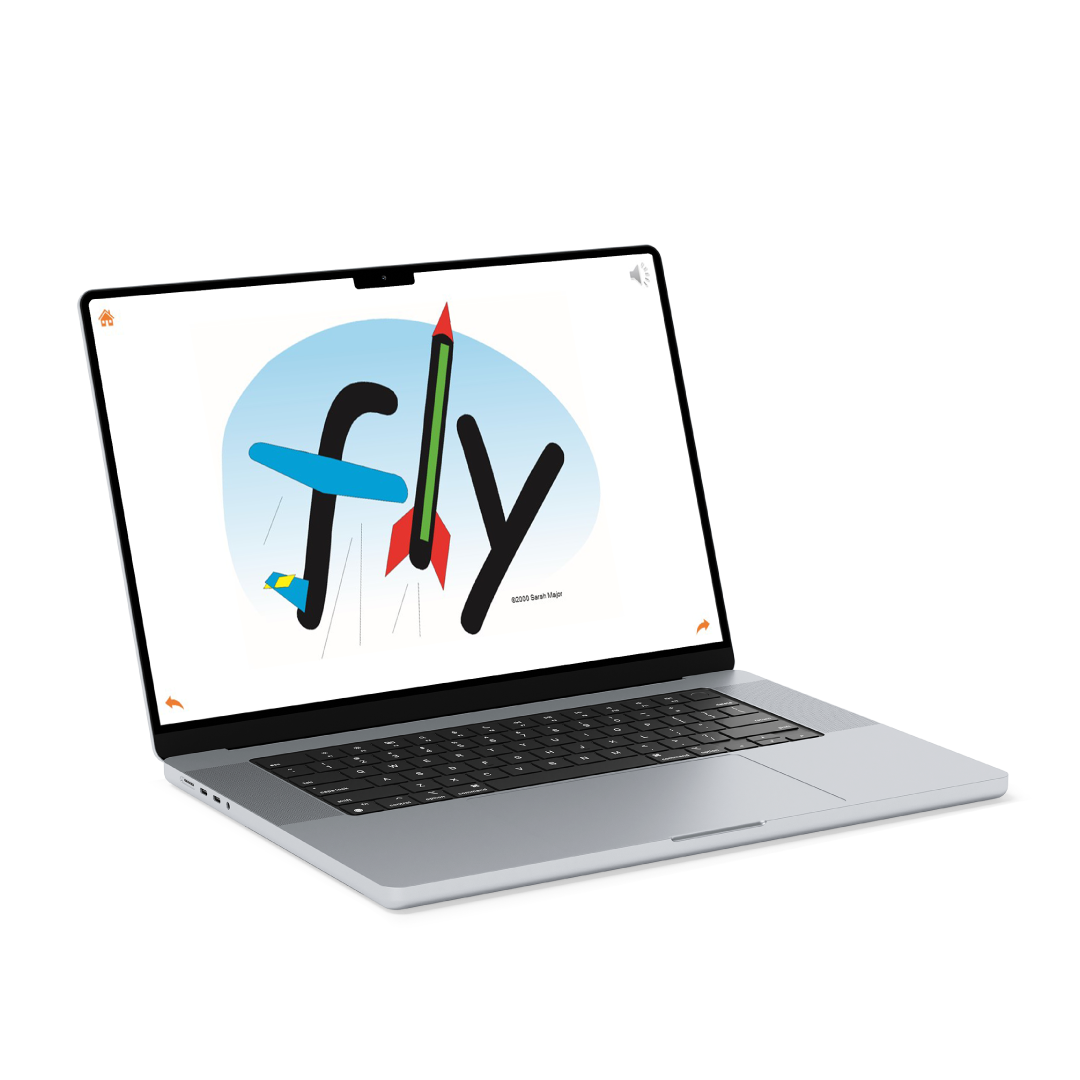
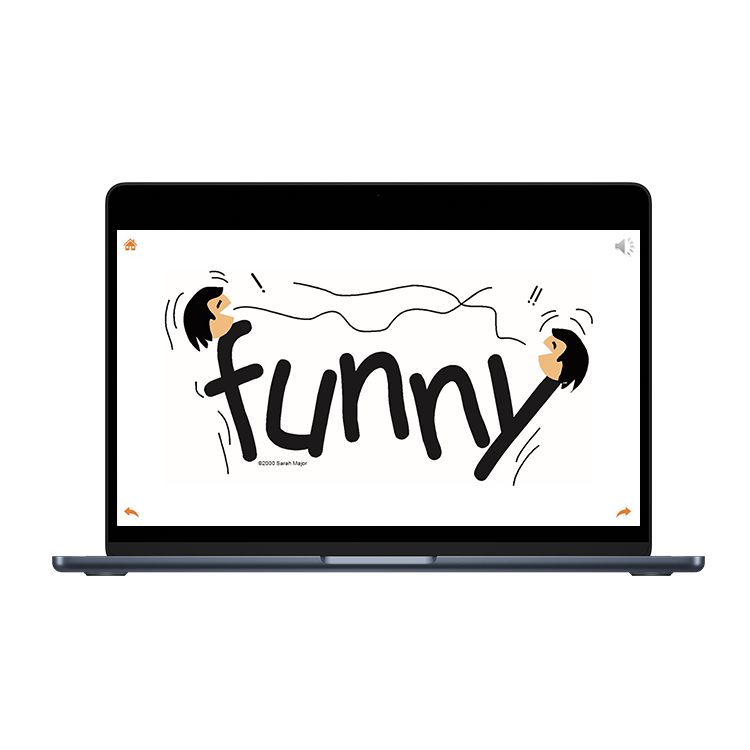
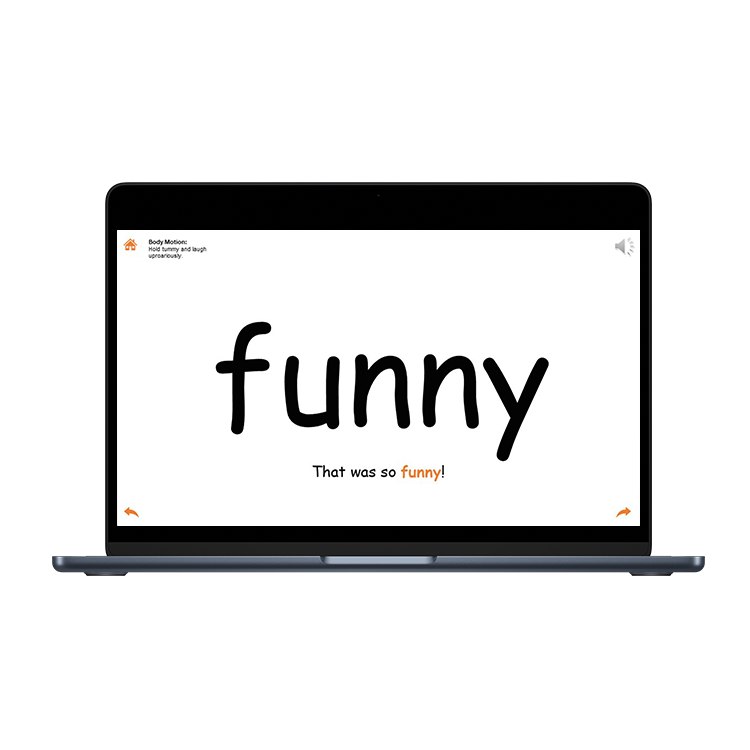
Slideshow: slideshow(s) with audio

Shipping calculated at checkout.
  • In stock, ready to ship
  • Backordered, shipping soon
  • Free U.S. Shipping
  • 30 Day Return

Try Before You Buy

Description
Product Specs
Related Articles
Tools & Resources

Build on foundational skills and strengthen automatic word recognition with the next step in SnapWords® fluency development.

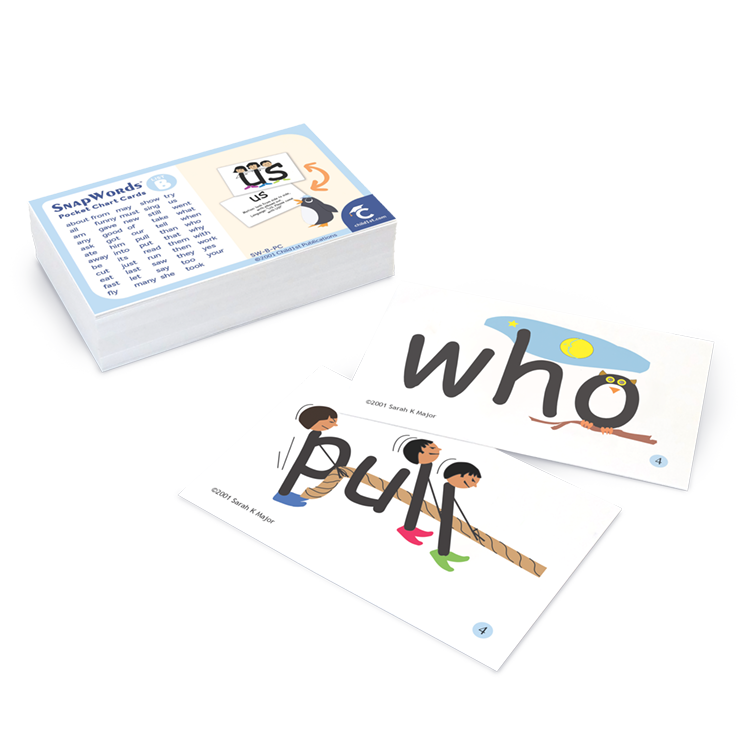
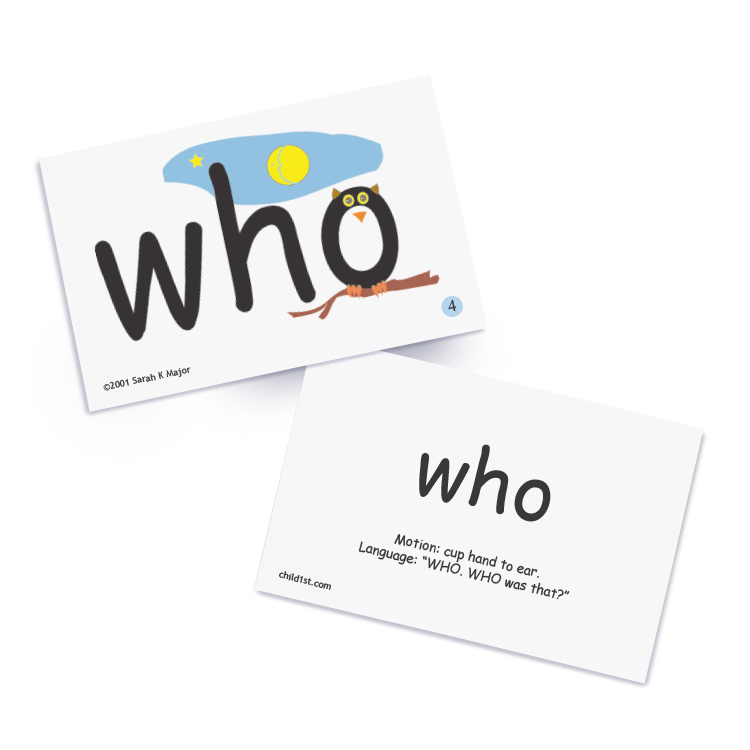
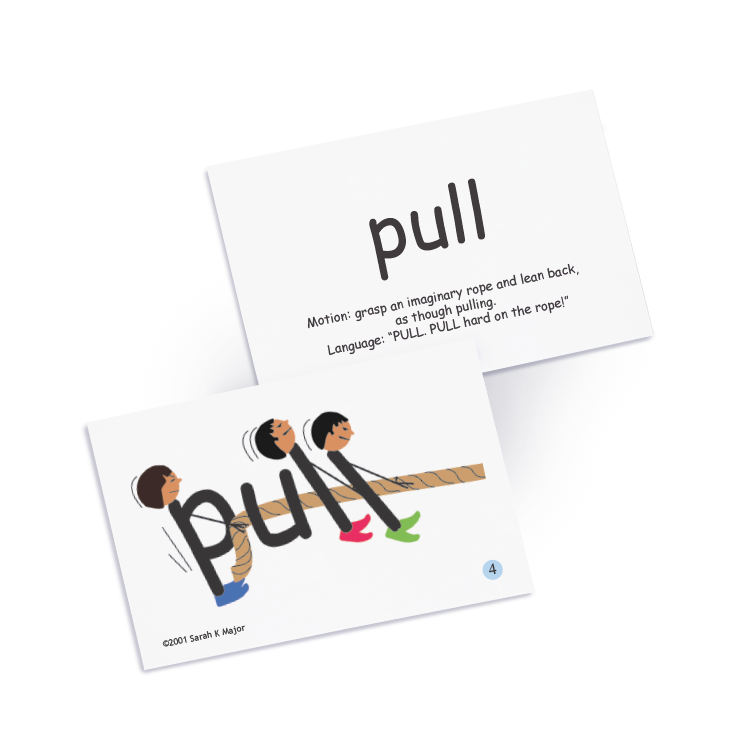
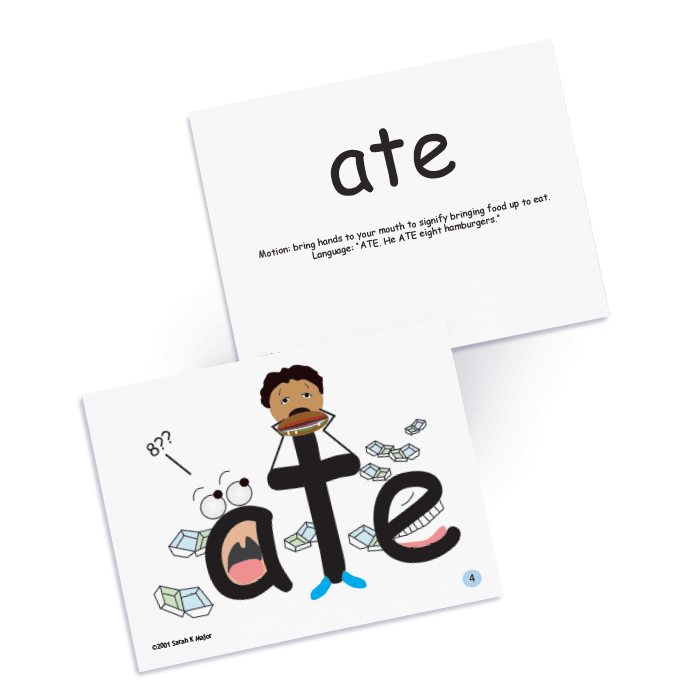
SnapWords® List B includes 59 high-frequency words that expand on the concepts introduced in List A. As students encounter new spelling patterns and commonly confused words, instant recognition becomes essential for fluent, confident reading.

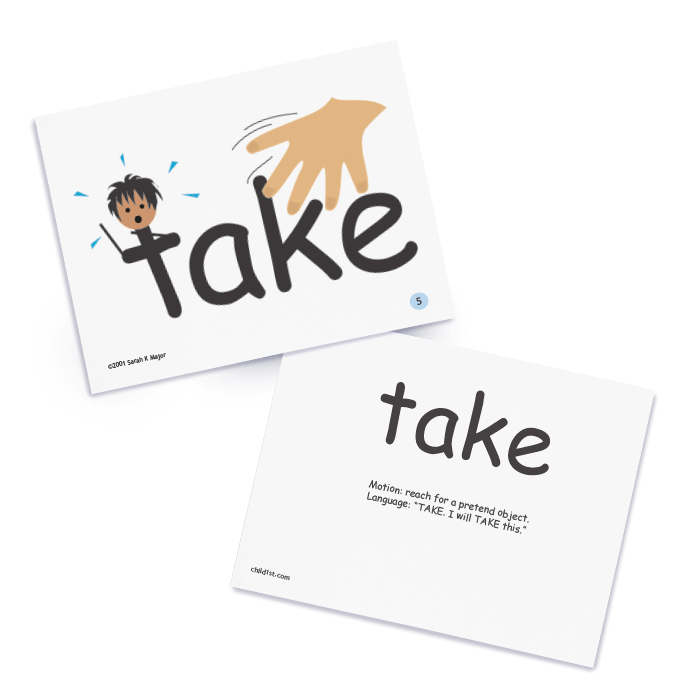
Each word integrates meaningful imagery to support memory and long-term retention—helping students move beyond memorization toward true automaticity and comprehension.


Why Teachers Choose SnapWords®

  • Builds automatic word recognition – Students quickly recognize high-frequency words without hesitation.
  • Strengthens fluency and comprehension – Smooth word recognition allows students to focus on meaning.
  • Reinforces critical spelling patterns – Supports mastery of digraphs, vowel teams, endings, and r-controlled patterns.
  • Addresses commonly confused words – Helps students distinguish between words like its/it’s and to/too.
  • Flexible implementation – Perfect for whole-group instruction, small groups, centers, intervention, and independent practice.

What’s Included

  • 59 High-Frequency Words – Builds on List A and expands fluency development.
  • Concepts & Patterns Covered Include:
    • sk endings
    • its vs. it’s
    • f / v contrasts
    • Digraphs sh and wh
    • Final y long-e patterns
    • Double consonants
    • ay and ey long-a patterns
    • Long-o (“oh”) sound
    • to vs. too
    • -ing endings
    • ea long-e patterns
    • “ew” sound
    • or /er/ patterns
    • R-controlled spellings
    • Syllable awareness
    • Additional high-frequency word patterns
  • Bonus Downloads – Corresponding SnapWords® Mini-Lessons and Sight Words in Sentences for structured practice and sentence-level application.

Perfect For

  • Grades 1–3 literacy instruction
  • Students progressing beyond foundational sight words
  • Fluency and comprehension development
  • RTI Tier 2 & Tier 3 intervention
  • Literacy centers
  • Home reinforcement

A Practical, Budget-Friendly Solution for Schools

SnapWords® List B provides high-impact literacy instruction without costly curriculum adoptions or ongoing subscriptions. Created by a family-owned company dedicated to helping children succeed, these materials are classroom-tested, reusable, and affordable for schools and families alike.

Take the next step toward fluent, confident reading—one high-frequency word at a time.
  • Teacher
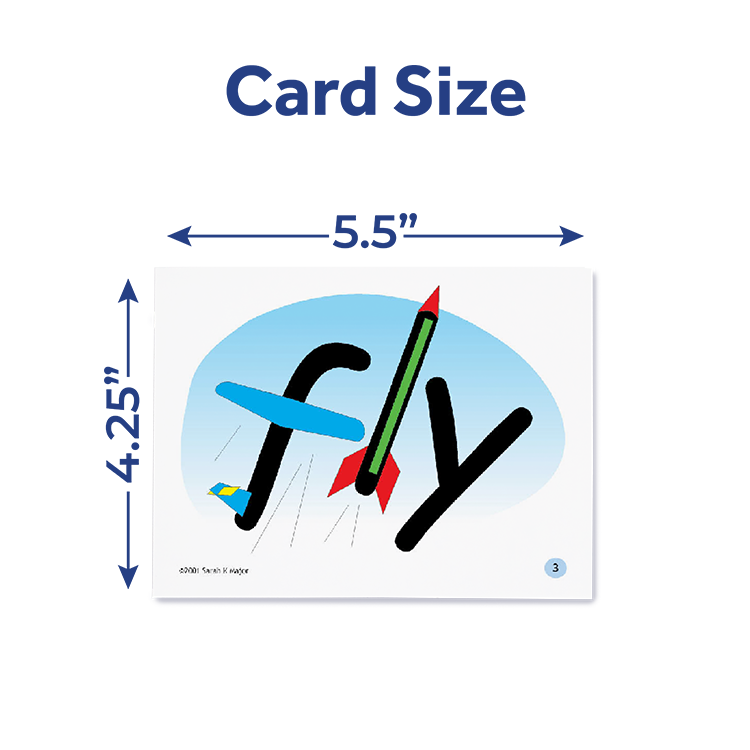
    Physical cards measuring 5.5" x 4.25"
  • Pocket
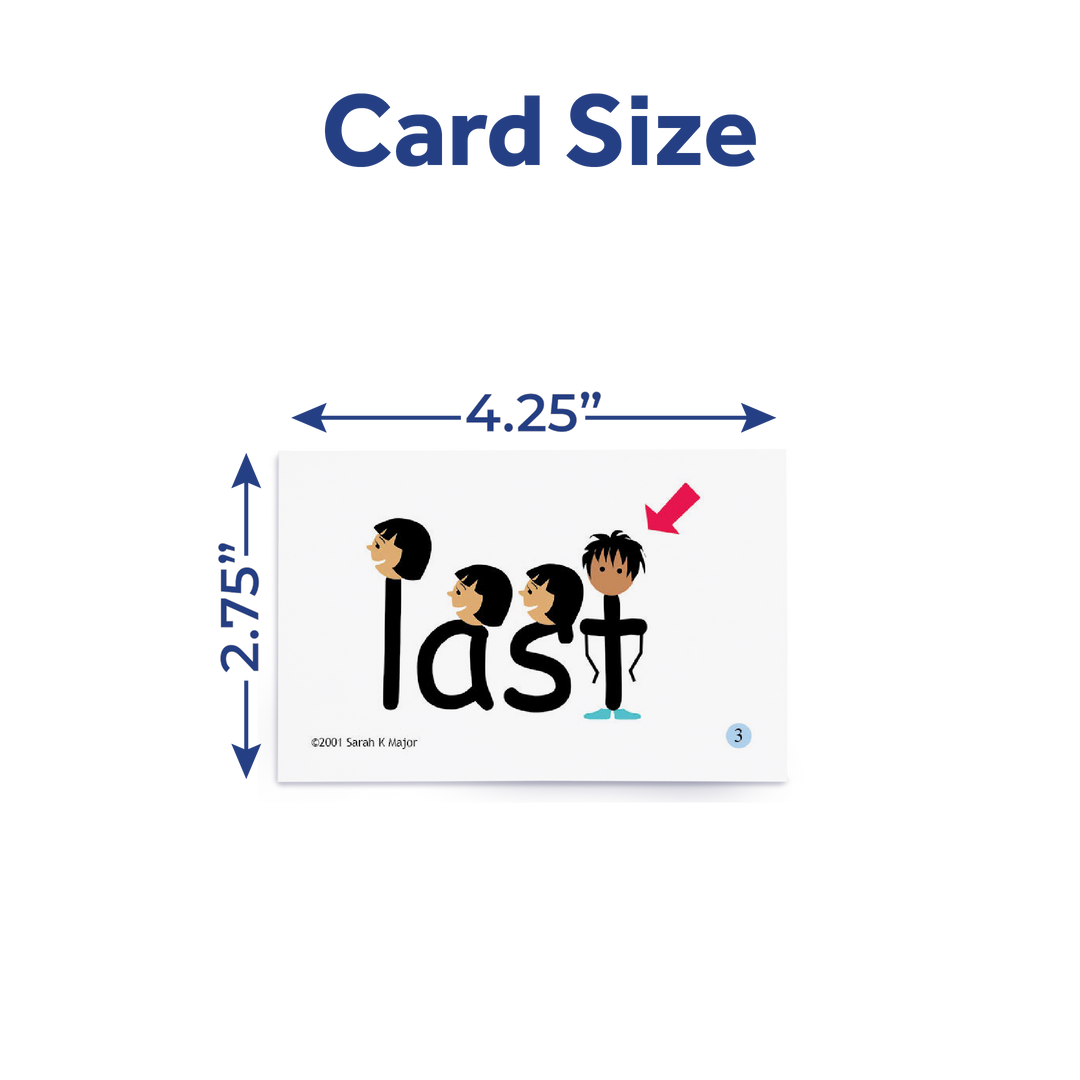
    Physical cards measuring 4.25" x 2.75"
  • Download
    Printable PDF files of both teacher and pocket size cards
  • Slideshows
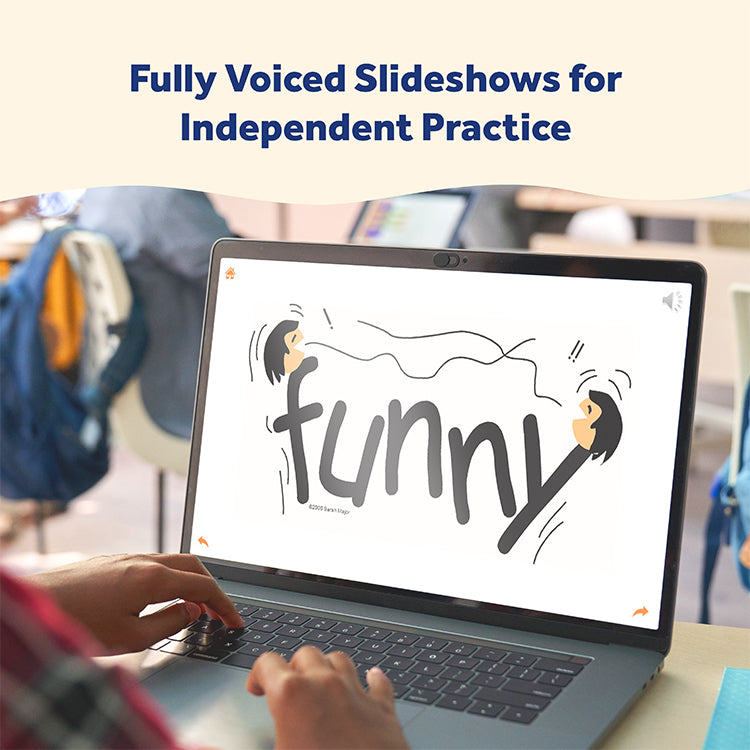
    Include both Google Slides and PowerPoint formats with audio to recognize and read sight words in a snap!
  • Lami-Ring
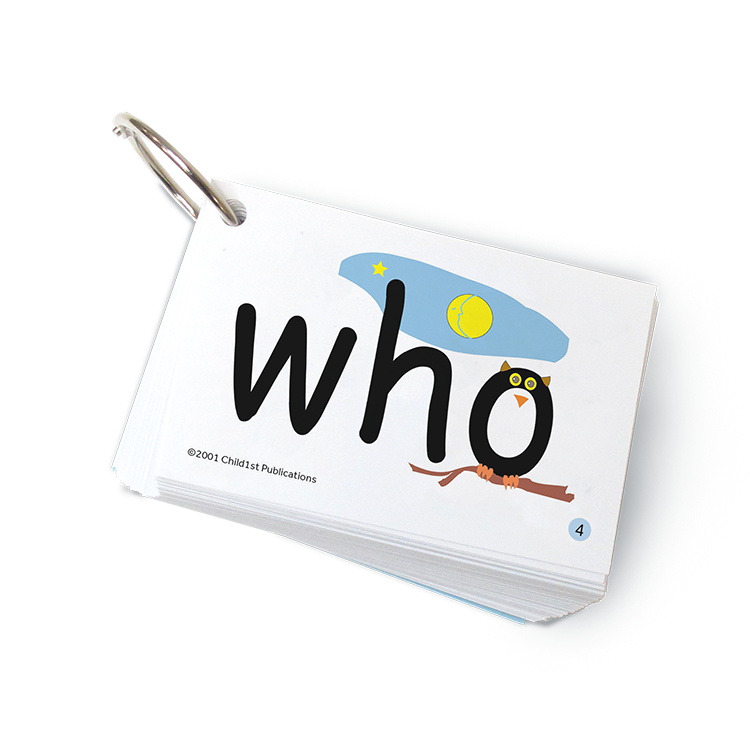
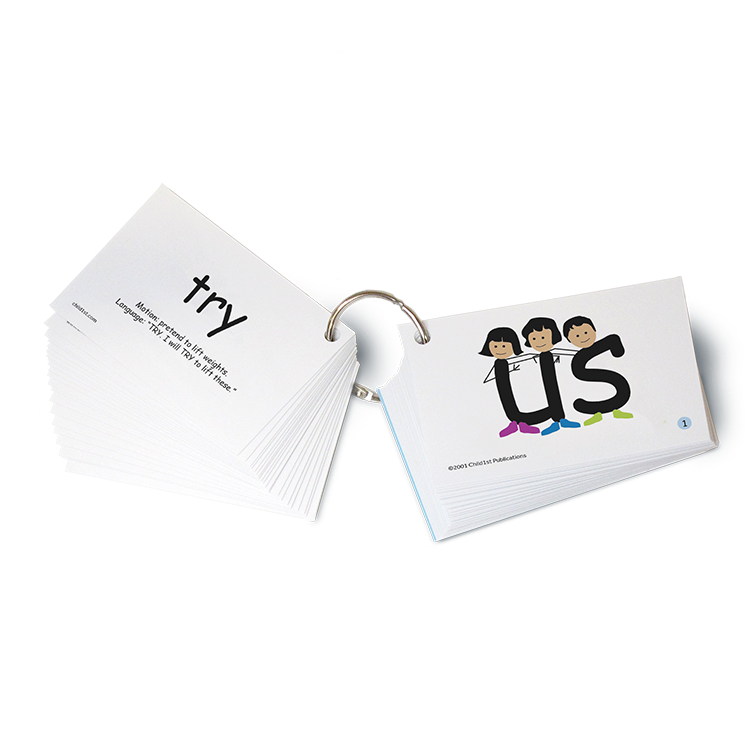
    Physical cards measuring 4.25" x 2.75". Laminated, and ring-bound.
You may also like

FAQs

Sight words are critical in early literacy because they make up 80-90% of the words children encounter in text, and recognizing them instantly greatly simplifies reading, improving fluency and comprehension. These high-frequency words, such as "the" and "and," enhance reading fluency, comprehension, and confidence, laying the foundation for more advanced literacy skills, reducing cognitive load, and supporting performance on standardized tests and overall language development. In a nutshell, mastering sight words is essential for building strong reading skills in children.

SnapWords® are designed to cater to diverse learning styles, particularly accommodating visual learners who benefit from associating words with images, seeing the whole word before delving into details like phonics, spelling, and decoding. This approach begins with presenting the entire word, allowing learners to establish a visual memory of the word's form before exploring spelling patterns and phonics rules, ultimately empowering them to tackle more complex, unfamiliar words. While sequential methods typically start with teaching details before introducing the whole word, SnapWords® recognize that right-brain dominant learners thrive by grasping words and phonics holistically.

For individuals with a left-brain dominant learning style, who think in words and handle abstractions adeptly, the images on the front of the cards may appear redundant or distracting. The unadorned word on the back may align better with their preferences. However, for right-brained visual learners, the inclusion of images is indispensable. These images enable them to create a mental picture and store the entire word in visual memory, matching their cognitive style. This image then serves as a recall anchor, even when they encounter the plain word. If asked how they remember the word while reading, they will often attribute it to the image stored in their visual memory.

SnapWords® take a comprehensive approach by incorporating body motion to engage kinesthetic learners, activating body memory. Additionally, the inclusion of sentences aids in comprehending and using words correctly within the context of sentences. This multifaceted method ensures that SnapWords® address various learning preferences and provide a holistic learning experience.

When introducing sight words to your child, the appropriate starting point depends on their familiarity with these words. If your child is a beginner, commence with List A. However, if your child has some prior exposure to sight words, it's essential to assess their knowledge. Begin with List A and have them read the words aloud. They should be able to recognize and read these words quickly, without the need to sound them out. If your child successfully reads all the words in the list, advance to the next list and repeat the evaluation process. In cases where your child encounters words they need to sound out, it's advisable to commence with that specific list. Initiating with a list that contains words they already know provides a confidence boost and helps them transition to this new approach to learning.

The Teaching Cards come in a convenient size of 5.5" in width and 4.25" in height, making them perfect for group instruction. If you prefer a more compact option, the Pocket Chart Size Cards are half the dimensions, measuring 4.25" in width and 2.75" in height. These smaller cards are excellent for small group activities and independent practice, offering flexibility in how you use the materials.

Recently viewed