


Right-Brained Multiplication & Division Teaching Cards

Price
Regular price $52.00
Regular price Sale price $52.00
Save $-52
/
Format
Format Guide

Physical: physical product with digital resources

Download: printable PDF file(s)

Slideshow: slideshow(s) with audio

Shipping calculated at checkout.
  • In stock, ready to ship
  • Backordered, shipping soon
  • Free U.S. Shipping
  • 30 Day Return

Try Before You Buy

Description
Product Specs
Related Articles
Tools & Resources

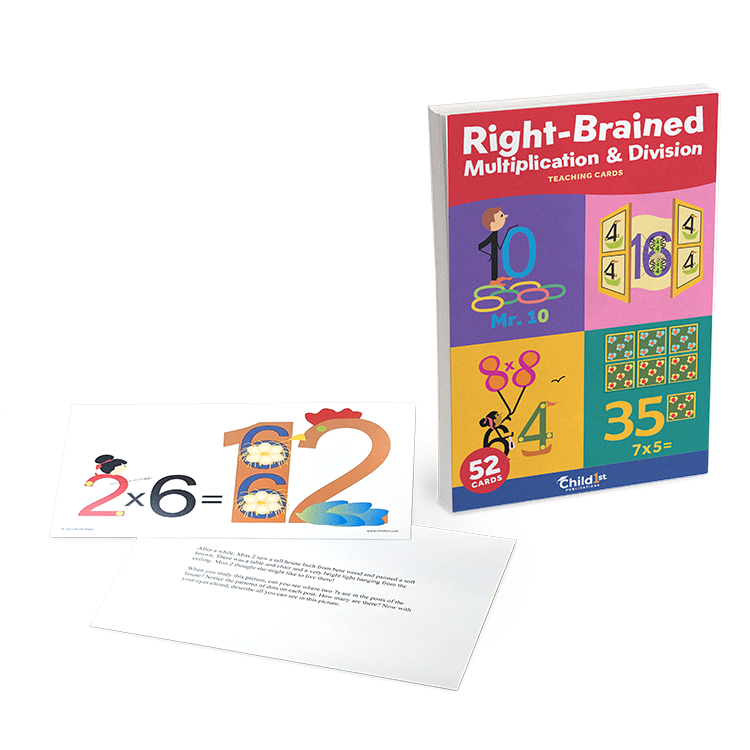
Make multiplication and division visible, memorable, and meaningful.

Right-Brained Multiplication & Division Teaching Cards are the perfect companion to Right-Brained Multiplication & Division, giving teachers a powerful visual tool to reinforce key concepts every day.

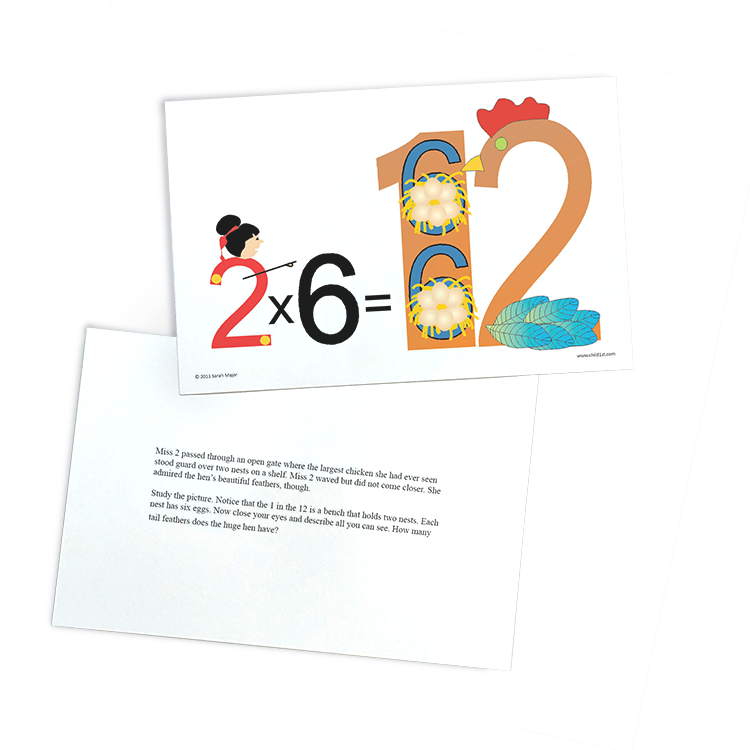
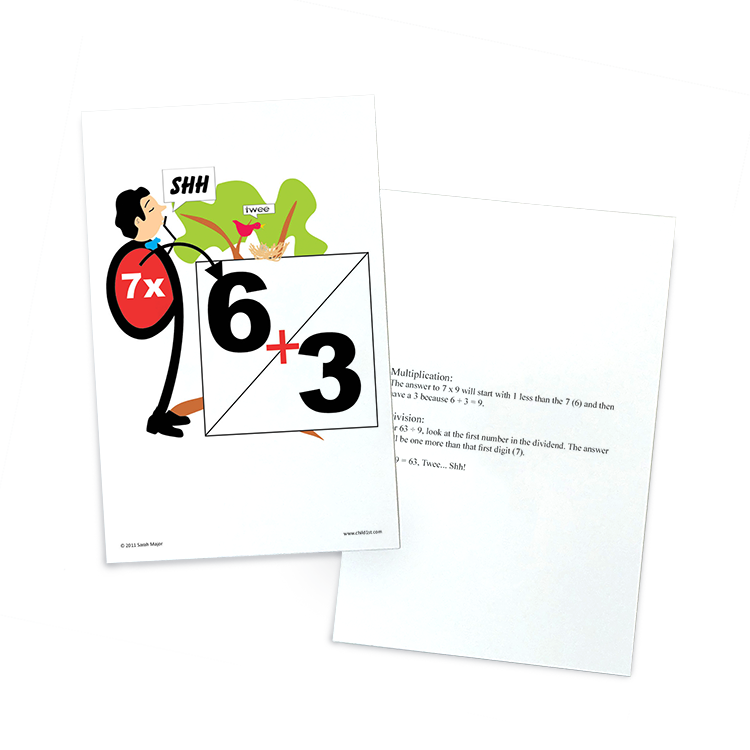
Each large, full-color card features the essential visuals from the book on the front, with clear explanatory text on the back — making abstract math concepts easier to understand and retain.


How They Support Learning

  • Strengthen conceptual understanding of multiplication and division
  • Reinforce fact families and number relationships visually
  • Provide consistent visual reminders throughout instruction
  • Support students who benefit from pattern-based and image-based learning

Display them on a wall, bulletin board, or in a pocket chart as you move through each chapter. The visuals serve as anchor references, helping students connect procedures to meaning.


Perfect For

  • Whole-class instruction
  • Small-group intervention
  • Math centers
  • Ongoing fact fluency reinforcement

Instead of memorizing disconnected facts, students build understanding through patterns, relationships, and structure.


What’s Included

  • 52 large, full-color Multiplication & Division Teaching Cards

Available Formats

  • Physical – 8.5” x 5.5” laminated cards
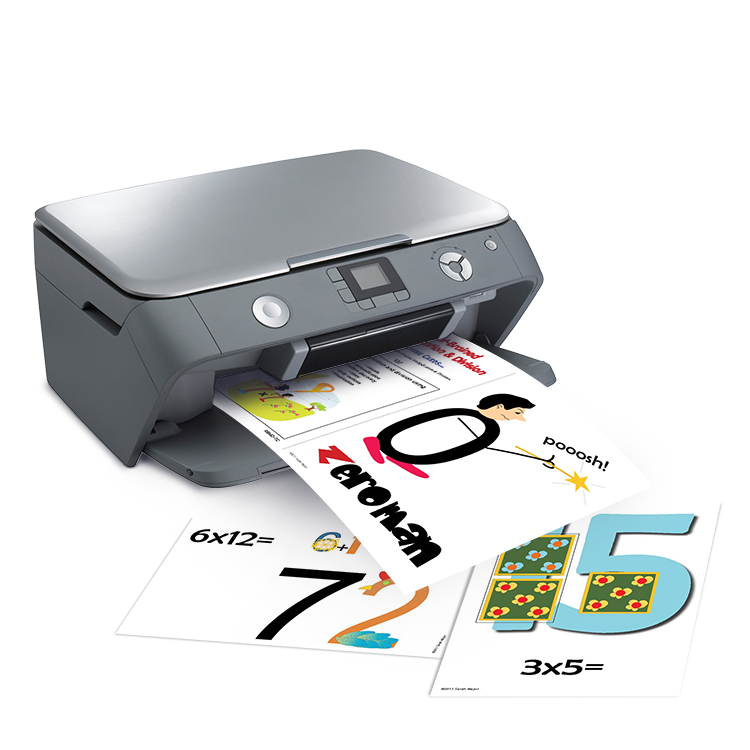
  • Download – Printable PDF file of the cards

A classroom-ready visual system that helps students truly understand how multiplication and division work.

  • Physical
    Physical cards, measuring 8.5” x 5.5”
  • Download
    Printable PDF file of the cards
You may also like

FAQs

Math can often be an abstract subject, filled with symbols that may pose challenges for children who are visual and spatial processors. These learners thrive when they have access to an educational approach that conveys the meaning of mathematical symbols and procedures in ways that align with their unique learning style.

Right-brain dominant learners, in particular, have distinct needs when it comes to learning math. They excel when they can comprehend the underlying concepts and the meaning behind mathematical operations, rather than relying on rote procedures. For these learners, memorization is often less effective because the information tends not to stick in long-term memory. Kinesthetic children, who frequently possess a strong spatial and holistic perception of math, tend to see the bigger picture surrounding mathematical problems. They can often visualize or intuit solutions without needing to follow the minute, historical steps often taught in traditional math education.

To effectively engage right-brain dominant learners, it is crucial to encourage them to explore the captivating patterns that emerge within the realm of numbers. By presenting numbers in a broader context, these learners can remember how to solve problems and recall number facts more readily. The use of visual imagery, storytelling, and hands-on activities plays a central role in their learning style, despite these elements not being traditionally associated with math education. By incorporating these strategies, educators can help right-brain dominant learners make sense of and excel in the world of mathematics.

We intentionally avoid labeling our resources with specific grade levels or ages to place the emphasis on each child's unique abilities. While the skills covered typically span from kindergarten to third grade, individuals of various ages have found success with our materials.

Learning styles refer to the different ways in which individuals naturally approach and process information, influencing how people learn, understand, and remember new material. Learning styles matter because they impact how effectively individuals can absorb and retain information. Understanding and accommodating these natural strengths can enhance the learning experience in a multitude of ways.

Right-brain learners possess distinct characteristics that distinguish them from their left-brain counterparts. These characteristics pertain to their information intake, processing methods, and preferred memory strategies. When we discuss right-brain learning, we are essentially describing the way they naturally absorb, process, and retain information.

Right-brain dominant learning, often associated with the right hemisphere of the brain, refers to a learning style that emphasizes creative and holistic approaches to understanding and retaining information. Strategies that are highly effective include multisensory materials, visuals, stories, movement, and hands-on activities.

Recently viewed