


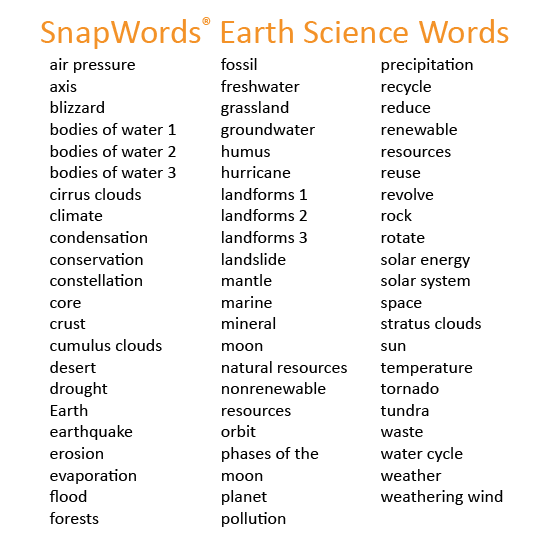
SnapWords® Earth Science Vocabulary

Price
Regular price $36.00
Regular price Sale price $36.00
Save $-36
/
Format
Format Guide

Physical: physical product with digital resources

Download: printable PDF file(s)

Slideshow: slideshow(s) with audio

Shipping calculated at checkout.
  • In stock, ready to ship
  • Backordered, shipping soon
  • Free U.S. Shipping
  • 30 Day Return

Try Before You Buy

Description
Product Specs
Related Articles
Tools & Resources

Give students the vocabulary they need to understand Earth science—and talk about it with confidence.

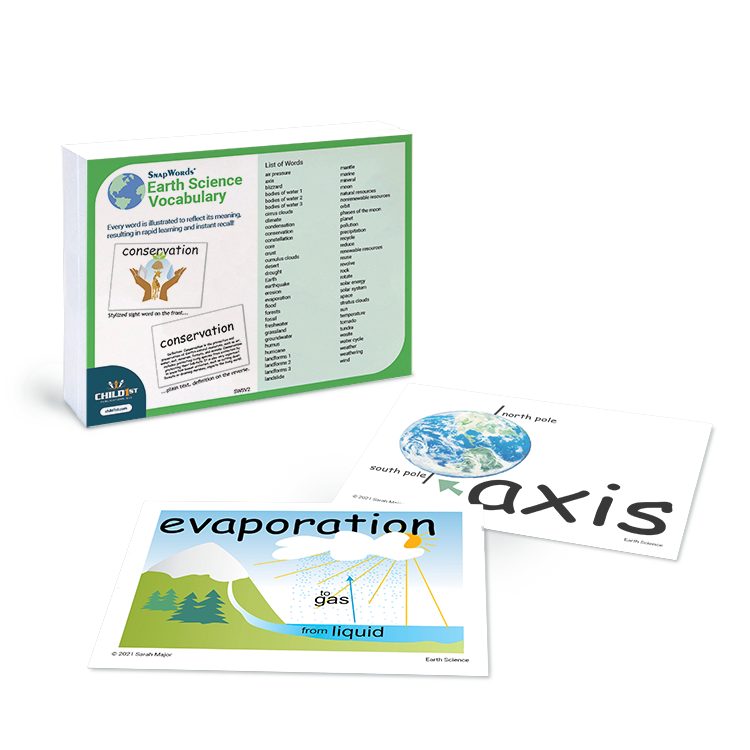
SnapWords® Earth Science Vocabulary Cards introduce essential terms for learning about our planet and the forces that shape it. When students know the language of Earth science, they can better understand informational text, classroom discussions, labs, and hands-on investigations.

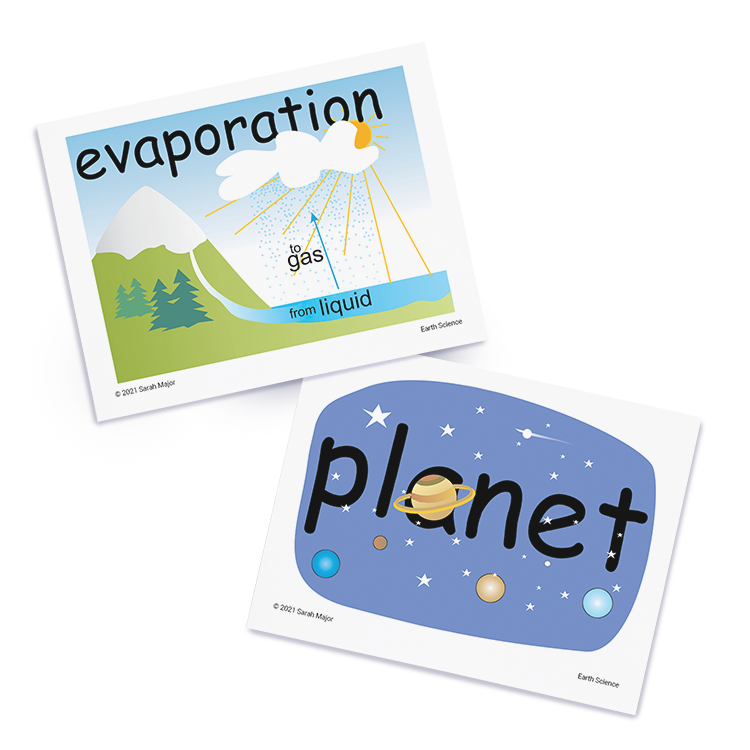
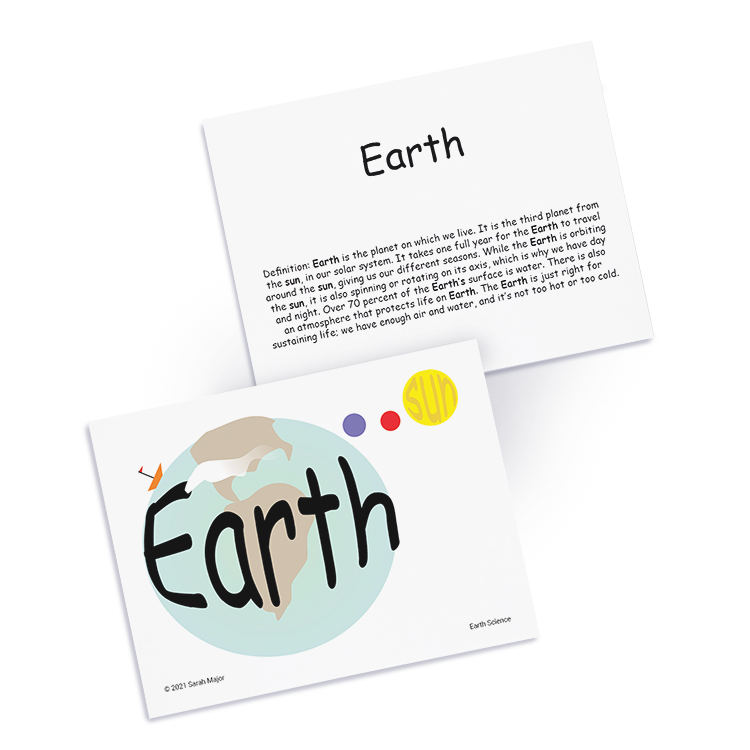
Each card integrates meaningful imagery to support memory and comprehension, helping students connect new vocabulary to real-world Earth science phenomena.


Why Earth Science Vocabulary Matters

  • Improves comprehension – Supports understanding of science text, experiments, and class discussions.
  • Builds academic language – Helps students explain scientific ideas clearly in speaking and writing.
  • Supports diverse learners – Especially helpful for visual learners and students who struggle with dense vocabulary.
  • Encourages curiosity – Clear terms make Earth science topics more accessible and engaging.
  • Flexible use – Ideal for whole-group instruction, centers, small groups, intervention, and homeschool.

What’s Included

  • 63 Earth Science Vocabulary Words covering topics such as:
    • Atmosphere and weather
    • Earth’s structure
    • Environmental processes
    • Natural resources
    • Water and climate features
    • Geological events
    • Astronomy, space, and celestial bodies
    • And more

Perfect For

  • Grades 2–5 science instruction
  • Earth science units (weather, landforms, water cycle, space)
  • Vocabulary support for science reading passages
  • Science centers and small groups
  • Homeschool science programs

Help students understand Earth science concepts by first mastering the words that explain them.
  • Physical
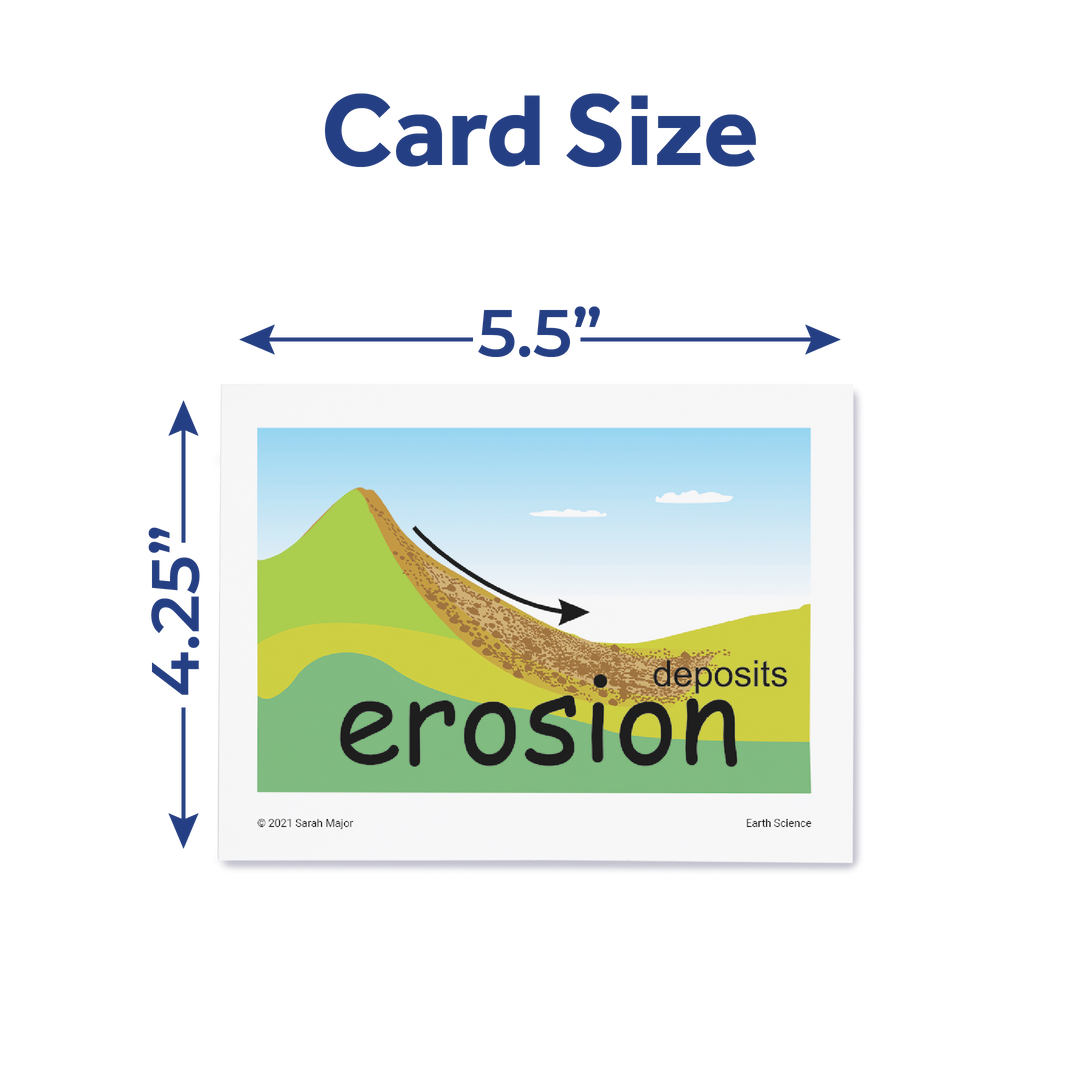
    Teaching cards measuring 5.5" x 4.25"
  • Download
    Printable PDF file of teaching cards
You may also like

FAQs

Learning styles refer to the different ways in which individuals naturally approach and process information, influencing how people learn, understand, and remember new material. Learning styles matter because they impact how effectively individuals can absorb and retain information. Understanding and accommodating these natural strengths can enhance the learning experience in a multitude of ways.

Right-brain learners possess distinct characteristics that distinguish them from their left-brain counterparts. These characteristics pertain to their information intake, processing methods, and preferred memory strategies. When we discuss right-brain learning, we are essentially describing the way they naturally absorb, process, and retain information.

Right-brain dominant learning, often associated with the right hemisphere of the brain, refers to a learning style that emphasizes creative and holistic approaches to understanding and retaining information. Strategies that are highly effective include multisensory materials, visuals, stories, movement, and hands-on activities.

We intentionally avoid labeling our resources with specific grade levels or ages to place the emphasis on each child's unique abilities. While the skills covered typically span from kindergarten to third grade, individuals of various ages have found success with our materials.

Multisensory resources, in general, are tailored to diverse learning styles and prove exceptionally effective for children with varying learning needs. They foster a more inclusive and flexible learning environment, empowering these children to grasp concepts more readily and with heightened engagement. Our multisensory materials are specifically designed to address the unique needs of children with learning differences, ensuring their success.

Recently viewed