

The Illustrated Book of Sounds & Their Spelling Patterns, 3rd Ed.

Precio
Precio habitual $ 537.00
Precio habitual Precio de oferta $ 537.00
Guardar $ -537
/
Carta del tamaño

Physical: physical product with digital resources

Download: printable PDF file(s)

Slideshow: slideshow(s) with audio

Format
Los gastos de envío se calculan en la pantalla de pagos.
  • En stock
  • Pedido pendiente, envío pronto
  • Free U.S. Shipping
  • 30 Day Return

Try Before You Buy

Description
Product Specs
Related Articles
Tools & Resources

A clear, visual roadmap to mastering complex sound spellings.

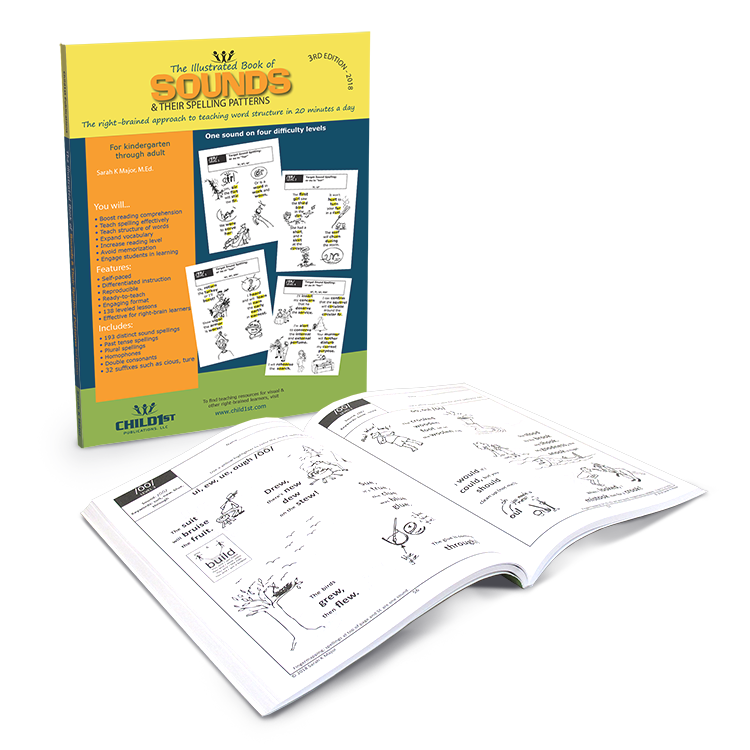
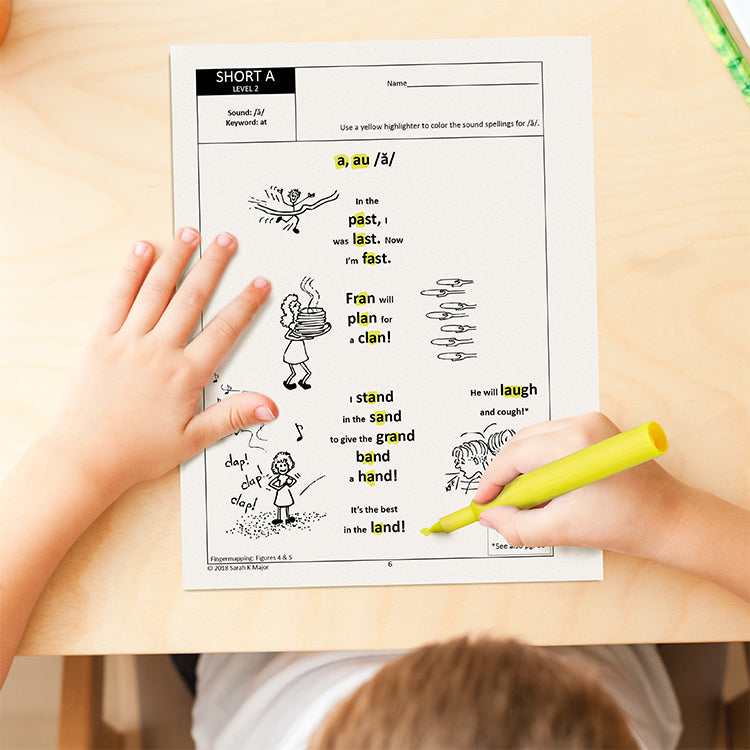
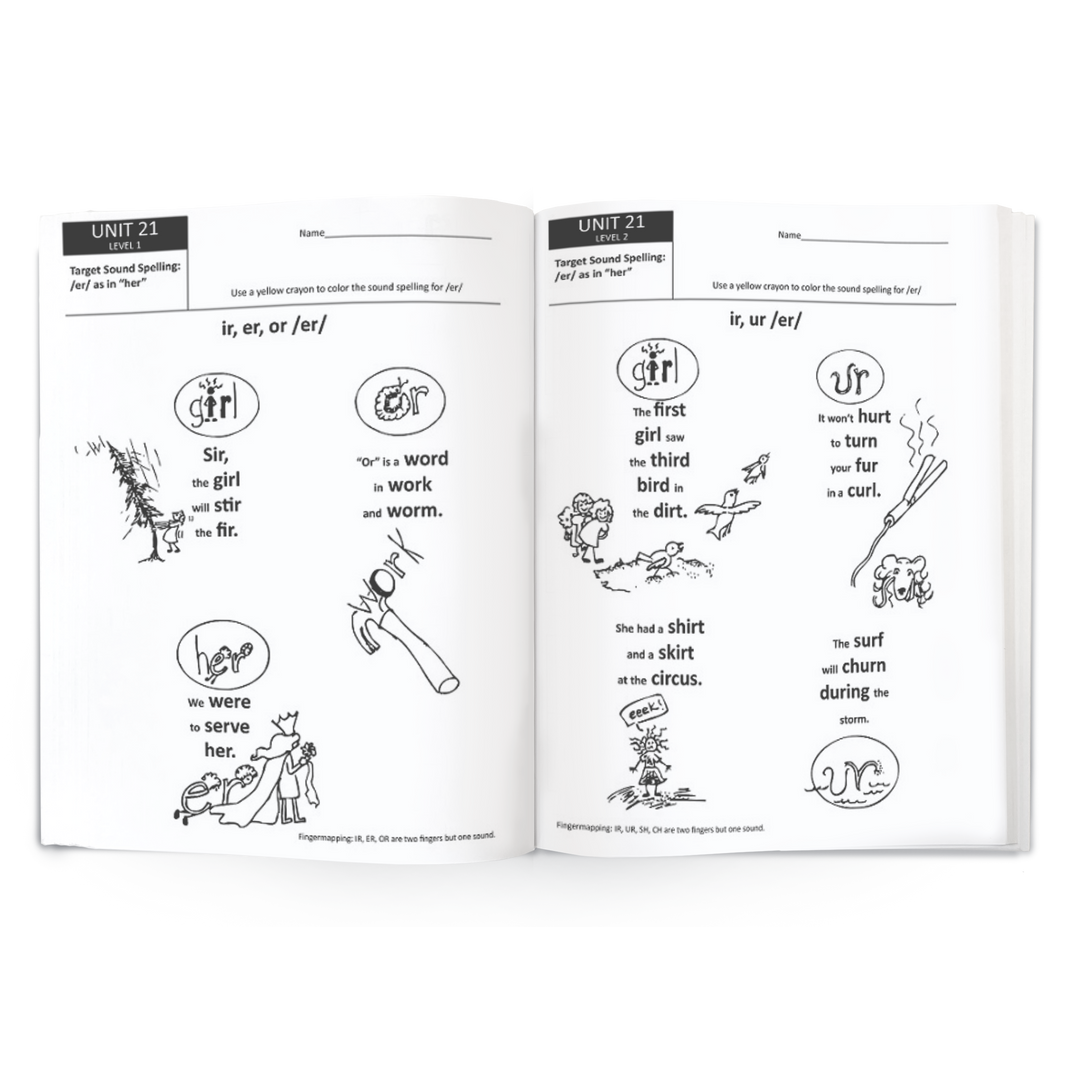
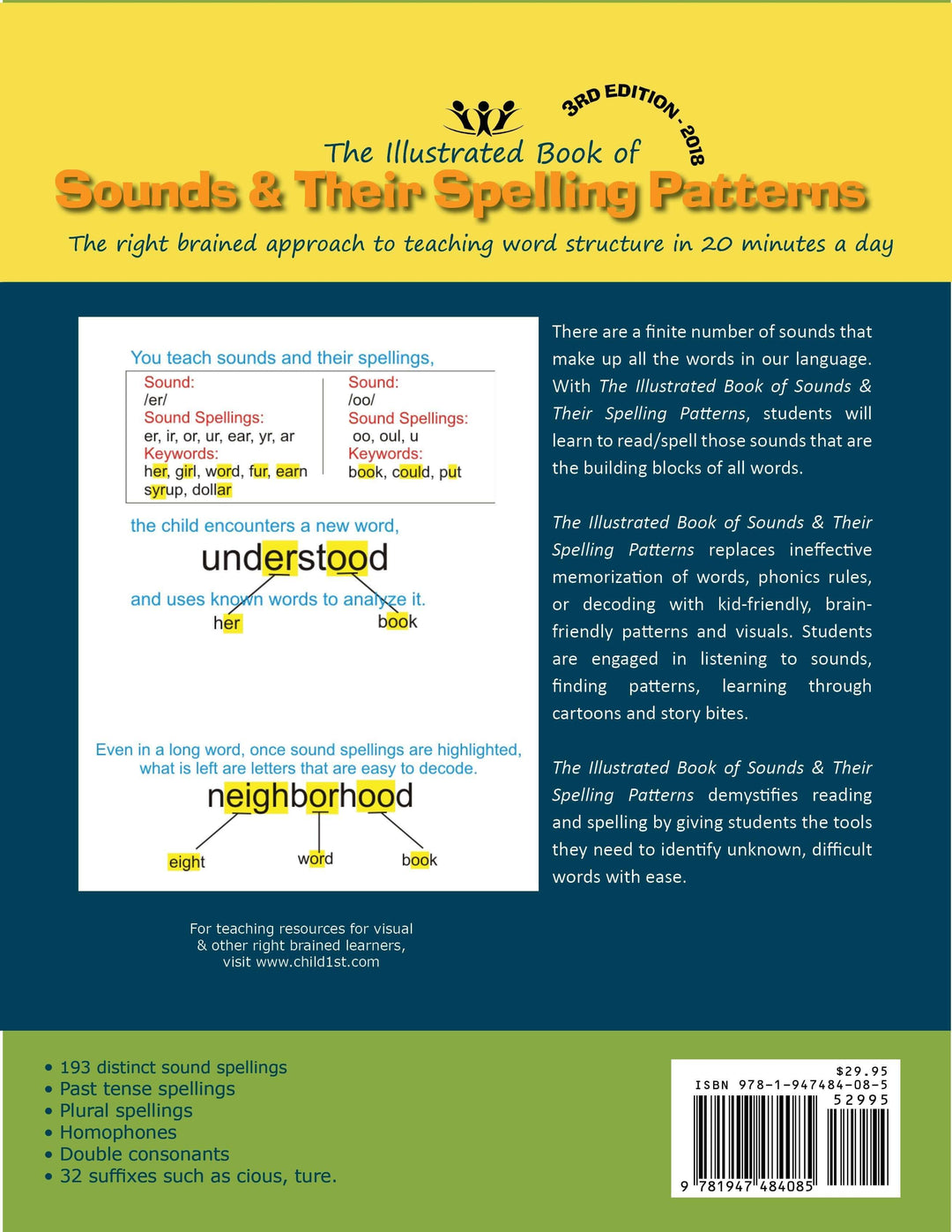
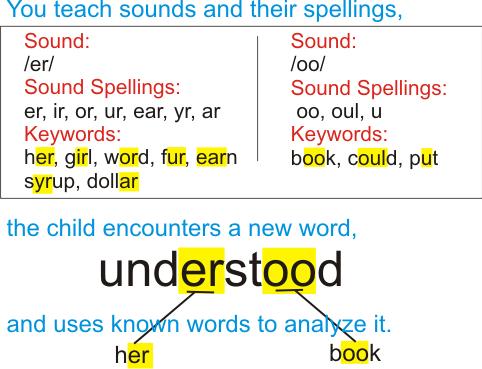
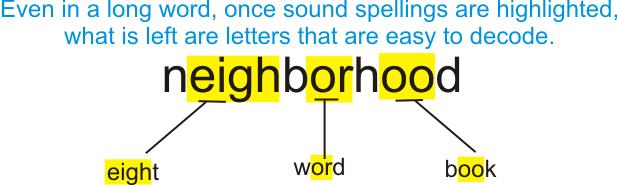
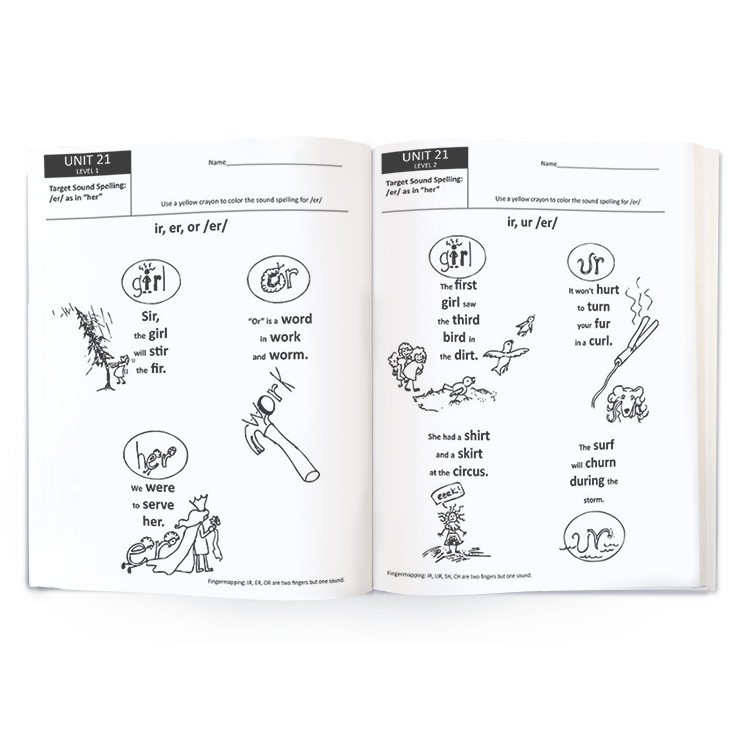
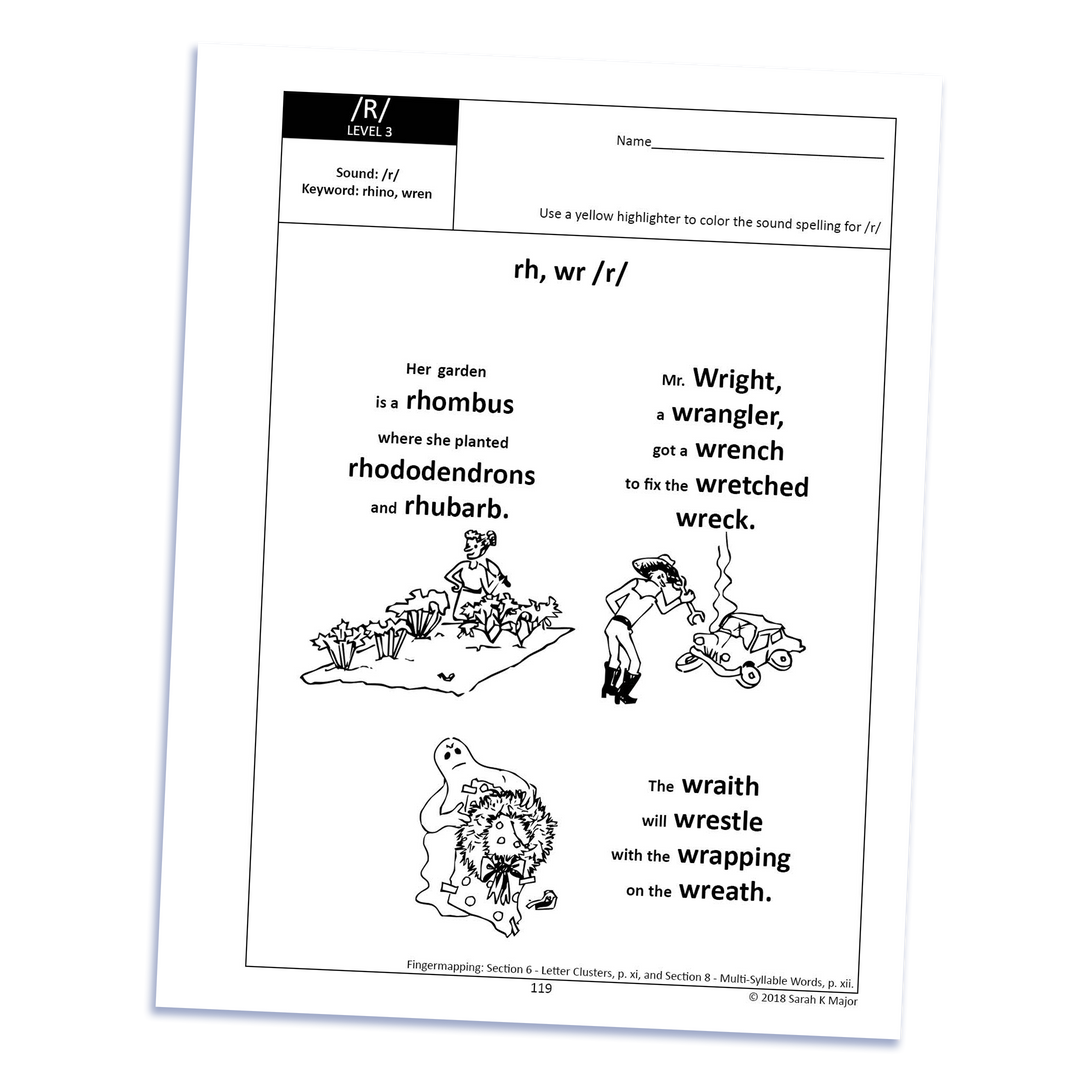
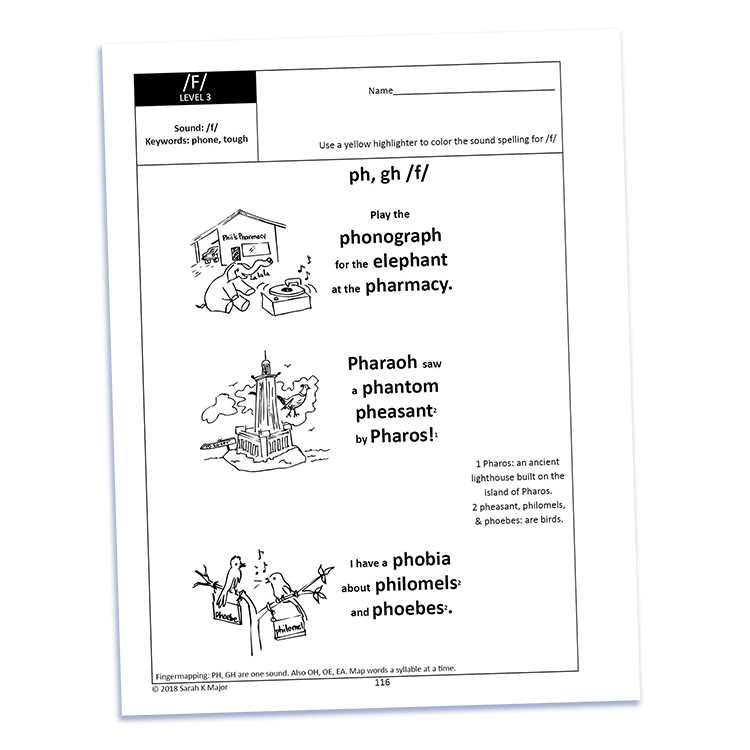
The Illustrated Book of Sounds & Their Spelling Patterns helps students decode larger, more challenging words by teaching sound patterns in a logical, brain-friendly way. Instead of relying on memorization alone, students learn to recognize spelling patterns, understand where they appear in words, and apply them confidently while reading and spelling.

Organized by sound (not just by letters), this book allows students to quickly locate specific phonemes and see all common spelling options in one place.


How It Works

This resource is designed to replace traditional spelling lessons in just 15 minutes a day.

  • Introduce a new sound pattern.
  • Review for 10–15 minutes over the next three days.
  • Assess on the fifth day.
  • Repeat the cycle as you move through the book.

The format is teacher-friendly and easy to implement. Once you understand the structure, preparation is minimal.

Note: Single letter sounds and W, V, P, B, and D are not included, as Right-Brained Phonics & Spelling focuses on blends and multi-letter spelling patterns. For single letter sounds, see our Alphabet Collection.


Phonics Concepts Covered

  • Short vowels
  • Long vowels
  • Diphthongs
  • Short & Long OO
  • R-controlled spellings
  • Digraphs
  • /ZH/, /NG/, /NGK/
  • /F/, /G/, /H/, /J/, /K/, /L/, /M/, /N/, /KW/, /R/, /S/, /T/, & /Z/

A structured, visual approach that empowers students to decode unfamiliar words with confidence.
  • Physical
    Physical book measuring 8.5” x 11”, softcover
  • Download
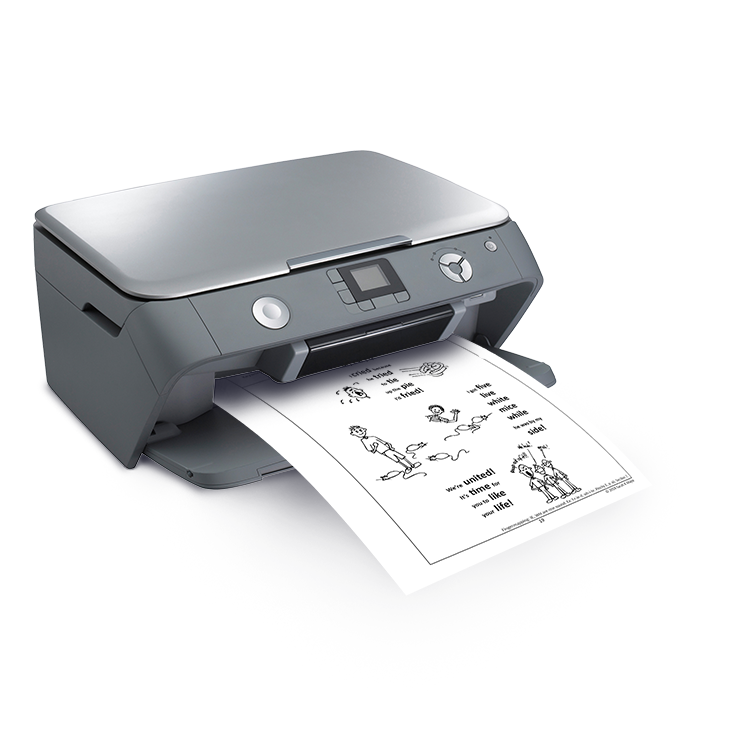
    Printable PDF file of the book
You may also like

FAQs

Commencing phonics instruction as early as kindergarten is entirely feasible when adopting a right-brained approach that incorporates images, body movement, and fosters meaningful connections for learning. This approach capitalizes on a child's natural inclination for sensory experiences and can effectively introduce phonics concepts from an early age.

Phonemic awareness is the fundamental ability to recognize and distinguish individual sounds that come together to form a word. By placing a primary focus on developing this skill, children can effectively learn to discern and manipulate the sounds within words. Phonics, on the other hand, is the practice of associating these sounds with their corresponding "pictures," which are the letters that represent those sounds. Together, phonemic awareness and phonics lay the foundation for strong reading and language skills.

Segmenting and blending are fundamental phonemic awareness skills that form the basis of early literacy development. Segmenting involves the practice of identifying and isolating the individual sounds within words. This skill can be introduced to children as early as preschool. Initially, you can model segmenting by saying a word out loud and asking the children to focus on the sounds they hear. Gradually, encourage them to segment the word with you, and with practice, they'll become adept at independently breaking words into their individual sounds.

Blending, on the other hand, is the complementary skill. Here, you enunciate the distinct sounds you hear in a word, then gradually bring them closer together until you say the complete word. These phonemic awareness exercises, segmenting and blending, are crucial in helping children grasp the relationship between sounds and letters, laying the foundation for reading and language skills.

Phonetic spelling, also known as invented spelling, was a pedagogical trend in early education. This approach aimed to encourage children to start writing words using the letters that made sense to them, often resulting in creative spellings. For instance, a child might write "FONIX" for "phonics" or "PENSL" for "pencil."

However, promoting phonetic spelling can be detrimental because, once children associate sounds with their written representations, these initial spellings can become ingrained, making it challenging to correct them later. In my kindergarten class, a daily practice involved having children draw a picture and provide a caption for it. While their initial spellings were often inaccurate, this provided a valuable opportunity to guide them toward the correct phonics and spelling. By using the words they wanted to write as a starting point, we could effectively integrate phonics and spelling instruction, gradually helping them improve their written language skills.

Visto recientemente