





Build the foundation for fluent reading with meaningful visual connections and multisensory support.
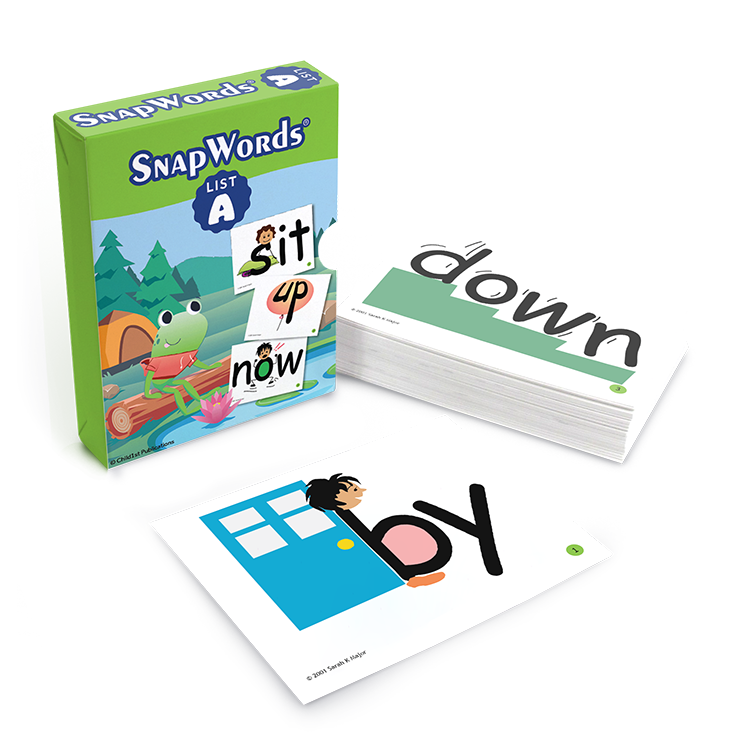
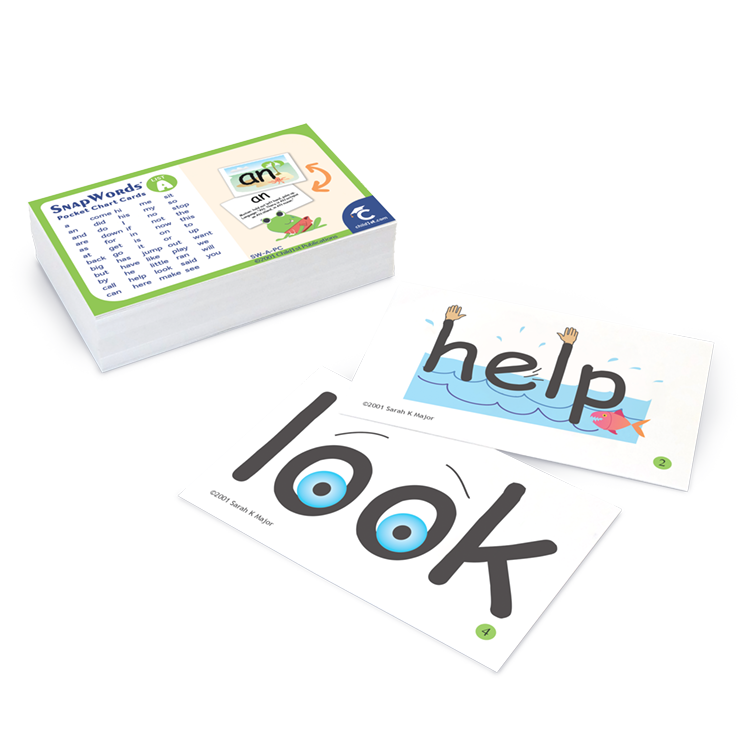
SnapWords® List A is the starting point in the SnapWords® system, introducing 59 essential high-frequency words that appear constantly in early reading. These small but powerful words form the backbone of fluent reading—and when students recognize them instantly, comprehension improves dramatically.
Designed to support diverse learners, SnapWords® integrates meaningful imagery and movement to strengthen memory, engagement, and long-term retention.
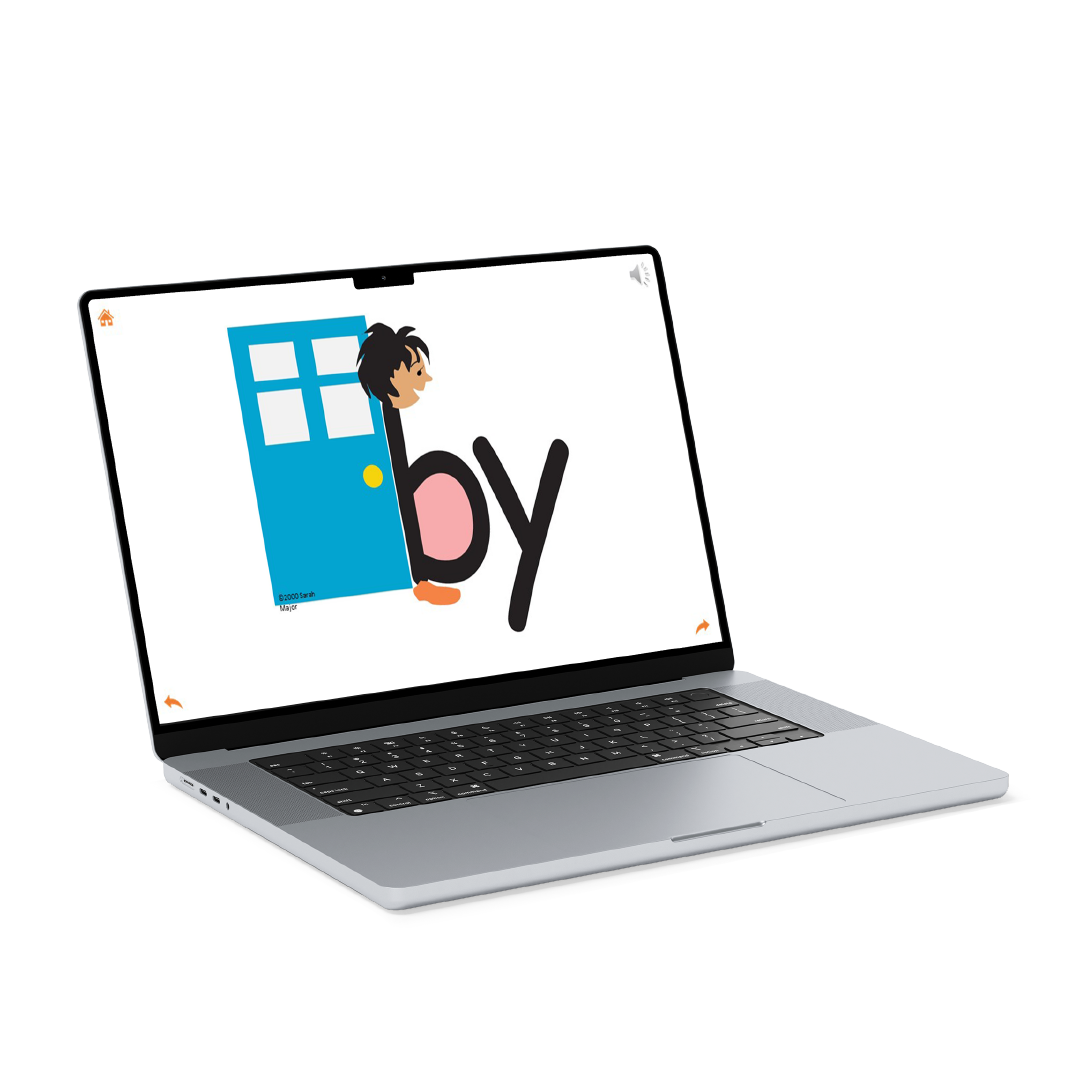
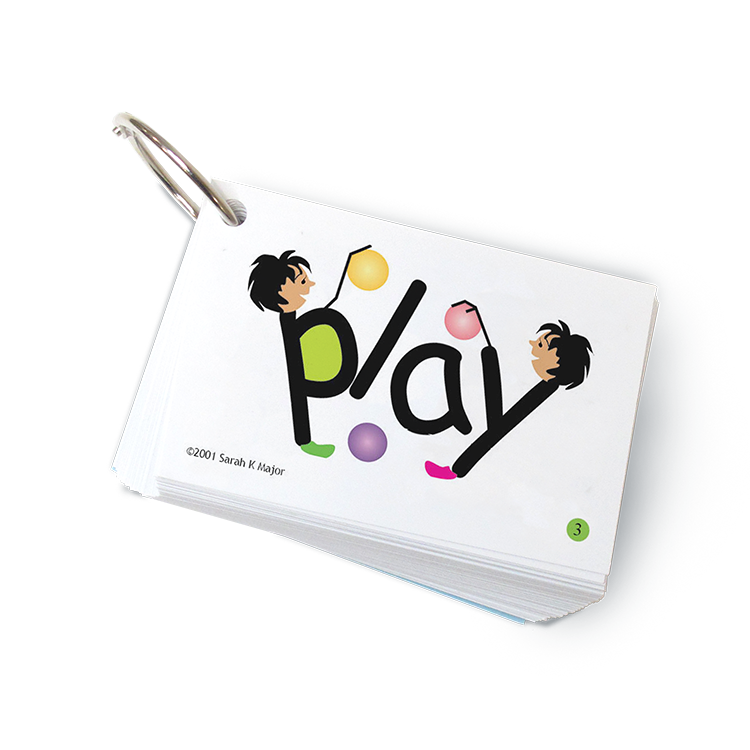
Meaningful Visual Integration
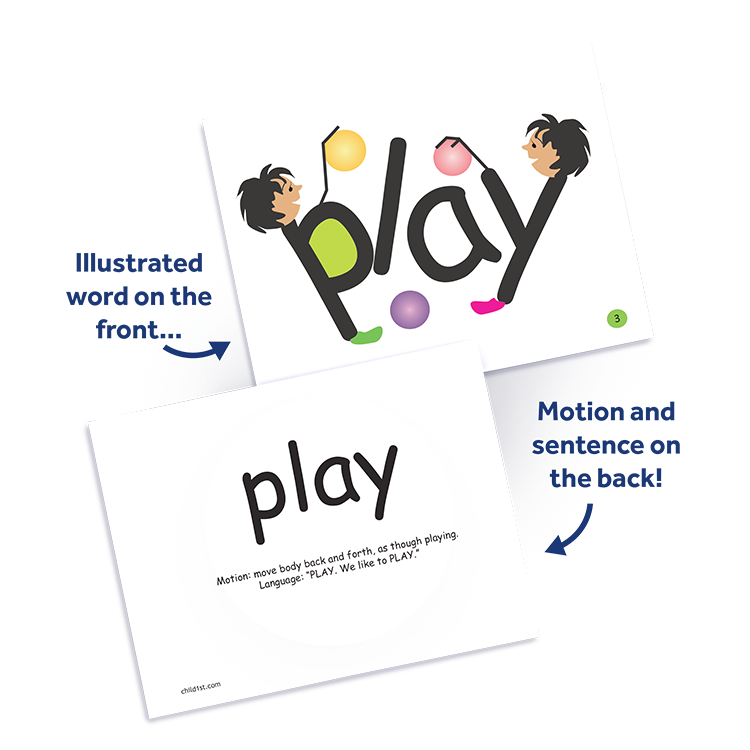
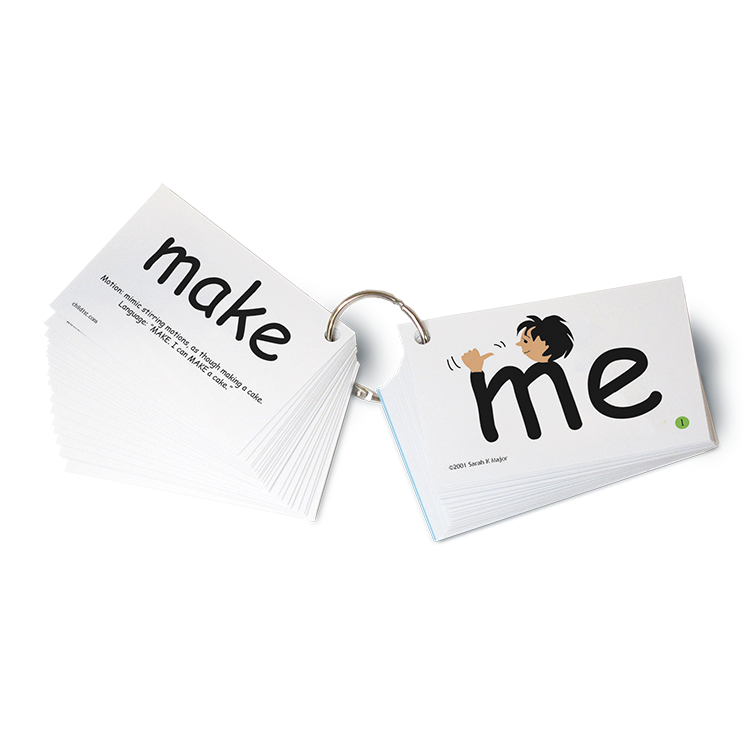
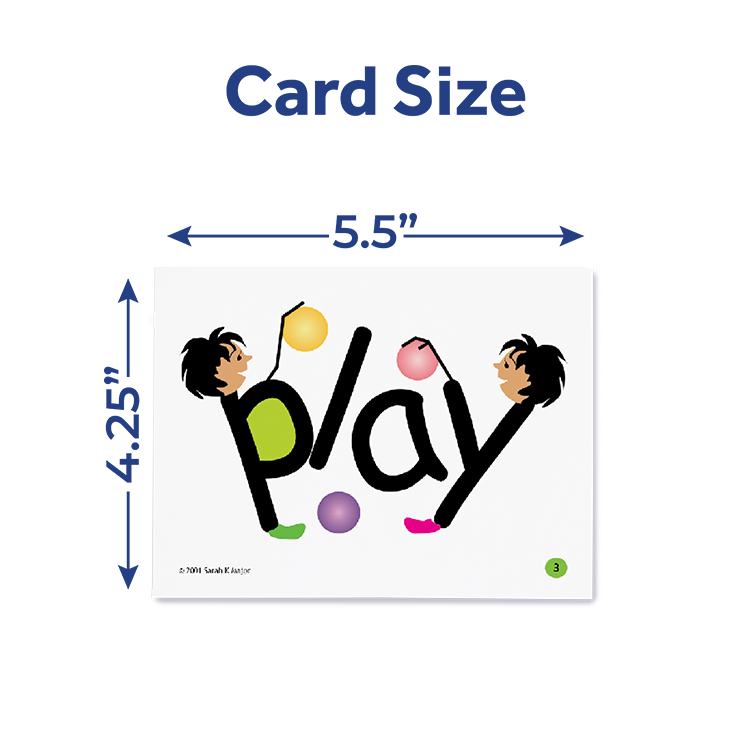
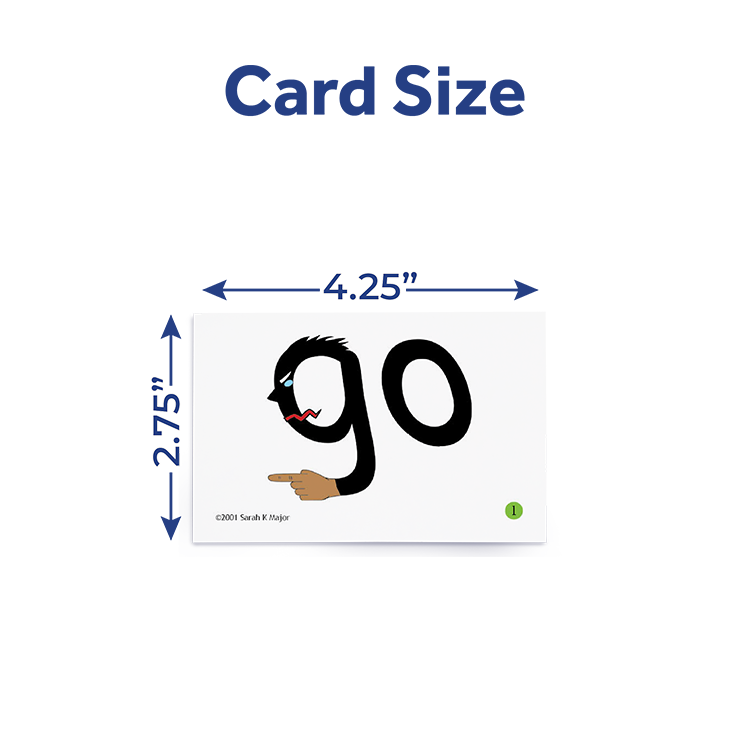
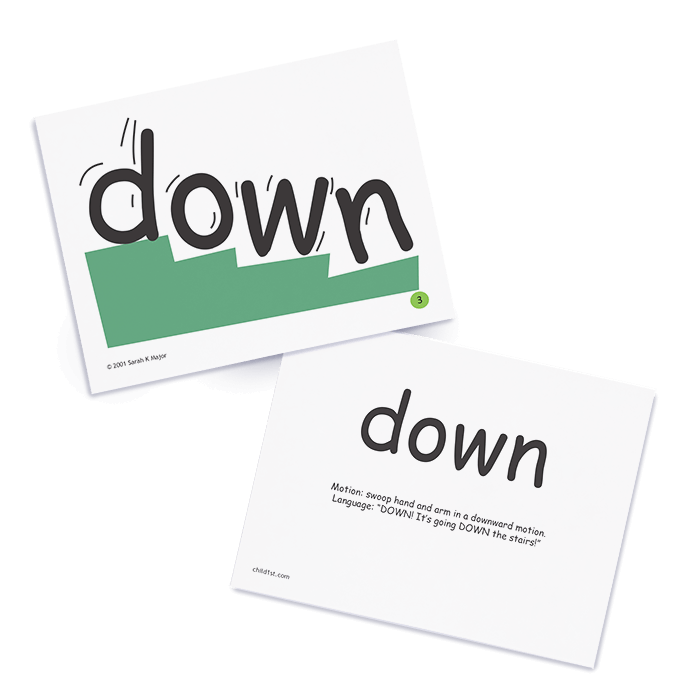
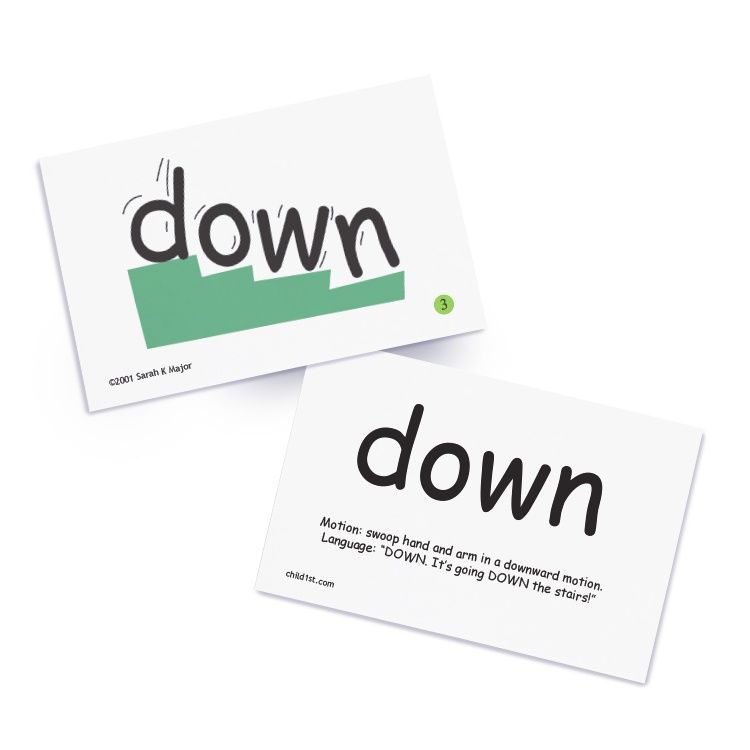
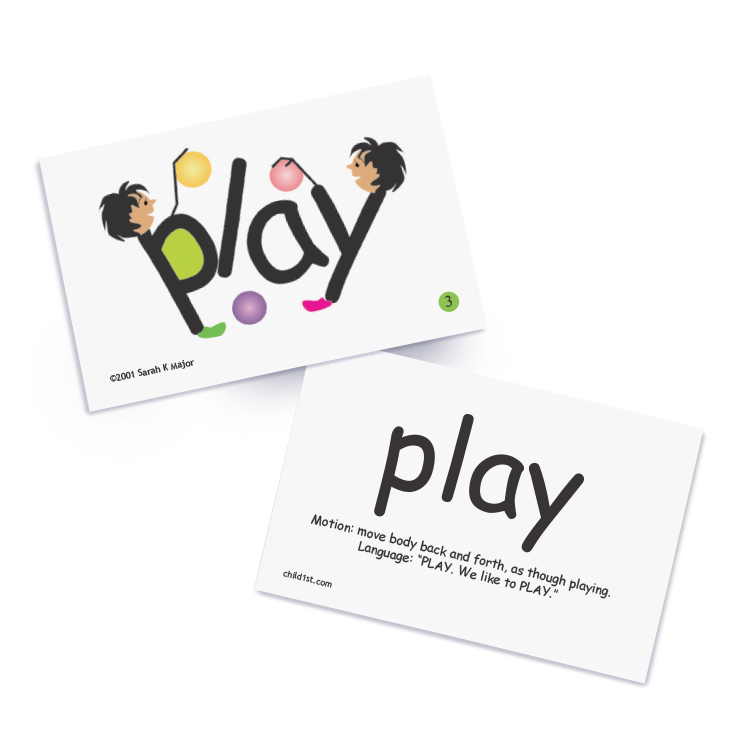
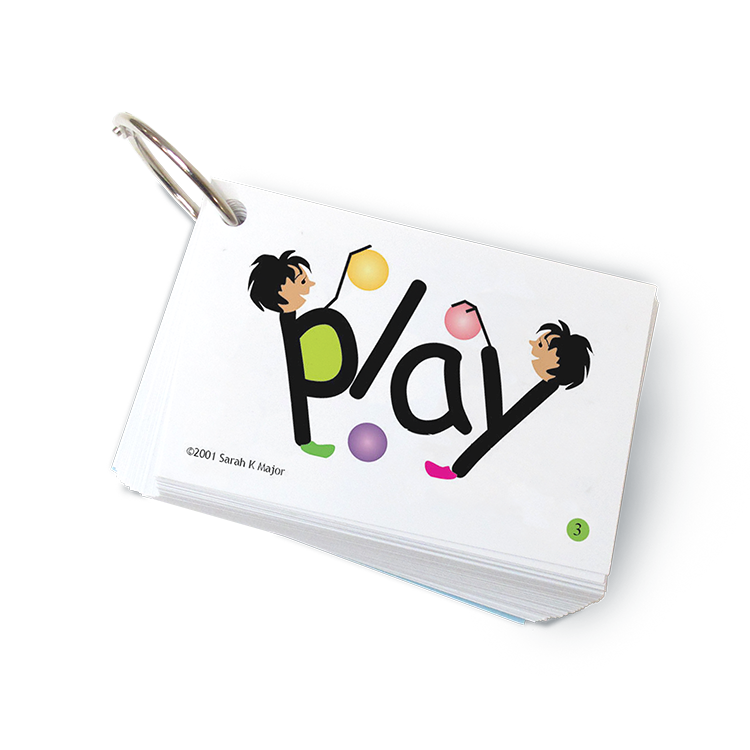
Each SnapWord® pairs the printed word with carefully designed imagery that reinforces meaning. Research on word recognition shows that connecting visual memory to print strengthens retention and automatic recall (Ehri, 2005).
Movement to Reinforce Memory
List A incorporates simple, intentional movement with each word to engage kinesthetic learners and deepen memory pathways. Physical engagement supports attention and recall, especially for students who struggle with traditional memorization-based methods.
Learning in Context
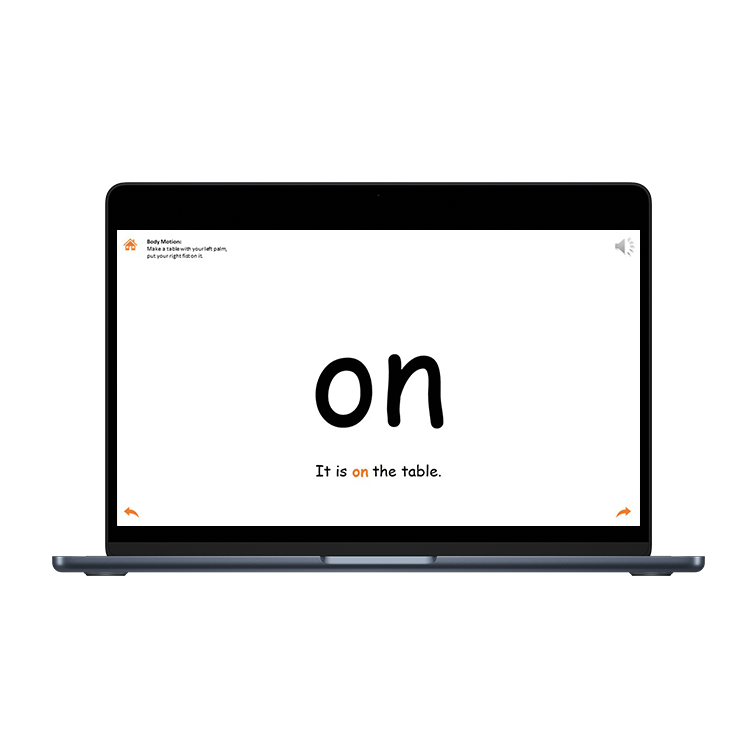
Students encounter these high-frequency words in meaningful ways, helping them understand not just how to read the word—but how it functions within real language.
SnapWords® List A delivers high-impact foundational literacy instruction without costly curriculum adoptions or ongoing subscriptions. Created by a family-owned company committed to helping children succeed, these materials are classroom-tested, reusable, and budget-friendly for schools and families alike.
Start with the words students see most—and build confident, fluent readers from the very beginning.
SnapWords® are multisensory sight word cards, but they differ from traditional sight word flash cards.
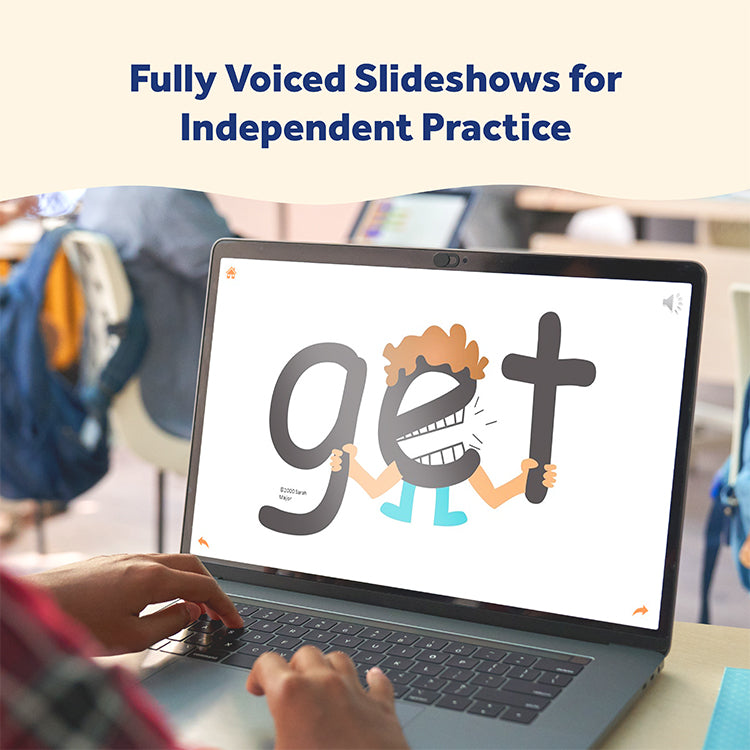
Instead of presenting only a printed word for repetition, SnapWords® combine the word with meaningful visual, kinesthetic, and oral reinforcement. Students then practice until they can recognize the printed word automatically without the additional support.
No. SnapWords® are not intended to replace phonics or decoding instruction.
Child1st recommends explicit, systematic literacy instruction first. SnapWords® provide additional reinforcement for high-frequency and irregular words that have already been introduced.
No. SnapWords® do not teach students to look at a picture or use sentence context to guess an unfamiliar word.
The visual is associated with a word that is being explicitly taught and serves as a temporary memory anchor during practice. The goal is independent recognition of the printed word.
As soon as the student can retrieve the word automatically, practice should increasingly emphasize the printed word without the visual support.
The picture is a bridge to automatic recognition, not the end goal.
For students who are new to SnapWords®, List A is the standard starting point. If your student already recognizes many high-frequency words automatically, use the SnapWords Assessment to determine which list best matches their needs.
Yes. SnapWords® can be used as supplemental multisensory reinforcement within explicit, systematic literacy instruction.
SnapWords® provide additional practice to help students retain and automatically recognize high-frequency and irregular words that have been explicitly taught. They are designed to complement—not replace—phonemic awareness, phonics, decoding, encoding, decodable reading, and fluency practice.
See how to incorporate Child1st resources into your existing curriculum:
For Schools & Classrooms | For Home & Homeschool