

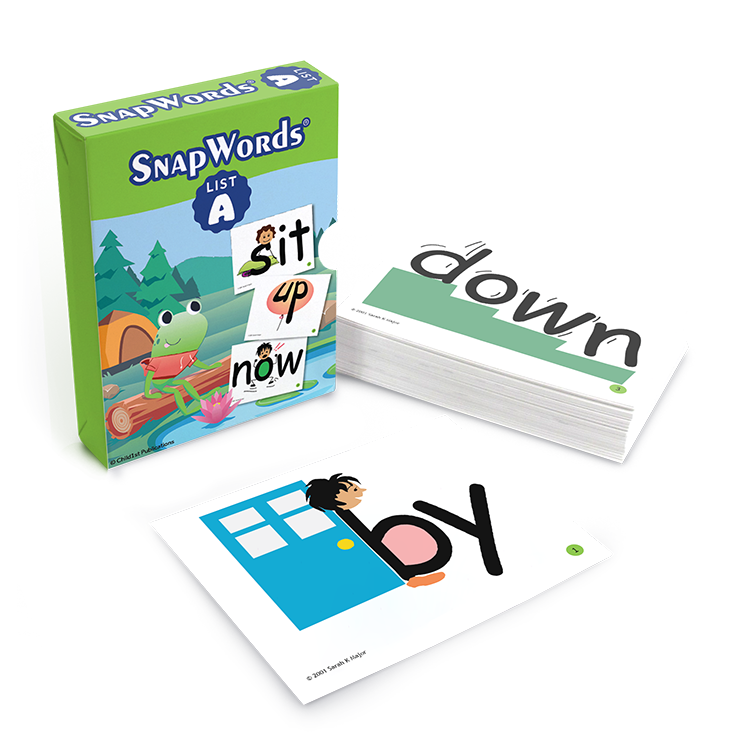
SnapWords® Sight Word Cards
Multisensory sight word cards that help students build automatic recognition of high-frequency and irregular words.
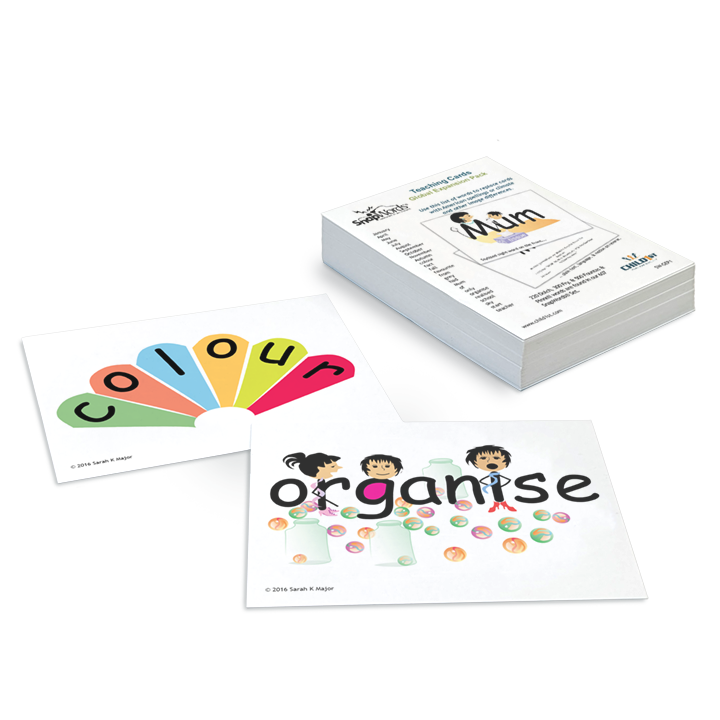
SnapWords® combine the printed word with meaningful visual, kinesthetic, and oral reinforcement to help students remember words that have already been explicitly introduced. As recognition becomes automatic, students move beyond the visual support and recognize the printed word independently.
Designed for students who benefit from additional reinforcement, SnapWords can be used alongside explicit phonics and structured literacy instruction to support word recognition, fluency, and confident reading.
New to SnapWords?
Discover how the SnapWords® System combines explicit literacy instruction with meaningful visual and multisensory reinforcement to help children develop automatic word recognition.
Start with List A, or use the SnapWords Assessment to determine the best starting point for your student.
Which SnapWords® set should I choose?
New to SnapWords? Start with List A, which introduces 59 essential high-frequency words.
Already know some high-frequency words? Take the SnapWords Assessment to identify the best starting list.
Need broader coverage? Explore the 306 and 607 Kits.
Buying for multiple students? Explore the Classroom Kit and Complete Classroom Kit.
How do SnapWords® work?
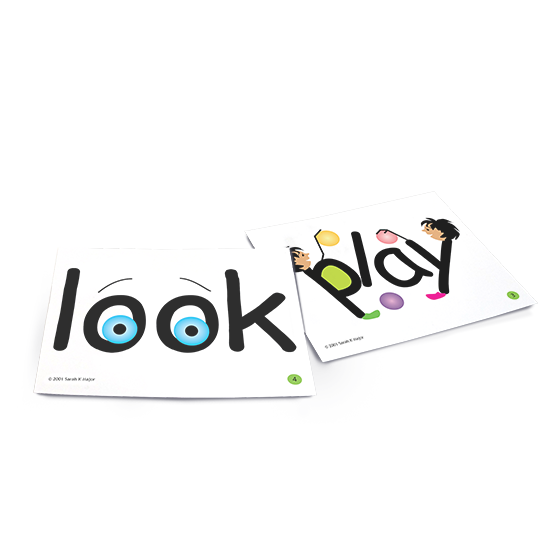
SnapWords® combine the printed word with meaningful visual, kinesthetic, and oral reinforcement to help students remember high-frequency and irregular words that have been explicitly introduced.
The image and related body motion serve as temporary memory anchors while students practice retrieving the word. As recognition becomes automatic, students move beyond the visual support and recognize the printed word independently.
The goal is accurate, automatic word recognition—not dependence on pictures or guessing from context.
Are SnapWords® aligned with the Science of Reading?
Yes. SnapWords are designed to complement explicit phonics and structured literacy instruction—not replace them.
SnapWords are not a three-cueing strategy and do not teach students to guess unfamiliar words from pictures or context. Instead, they provide multisensory reinforcement after explicit instruction to help students retain and automatically retrieve high-frequency and irregular words.
Teach explicitly → reinforce multisensorily → practice retrieval → apply in reading.



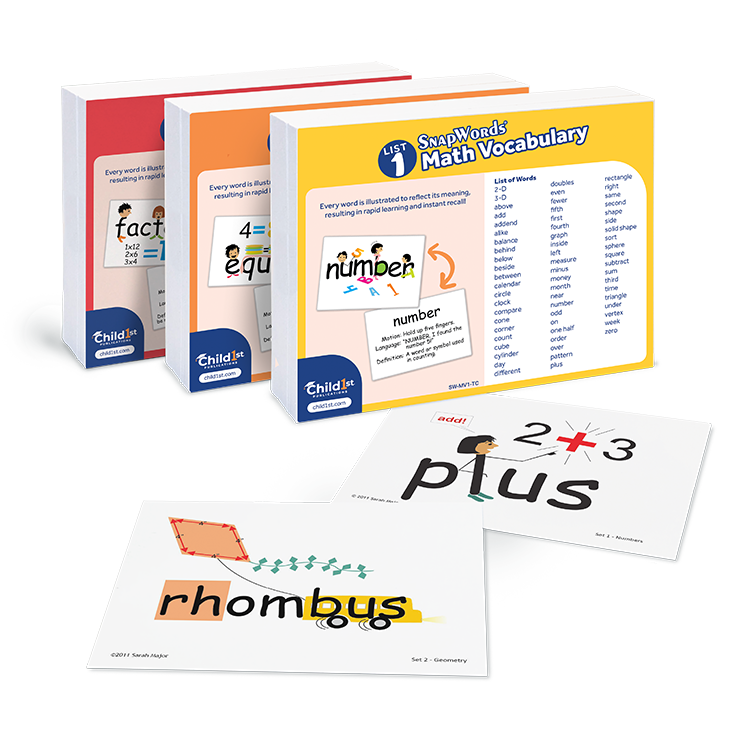
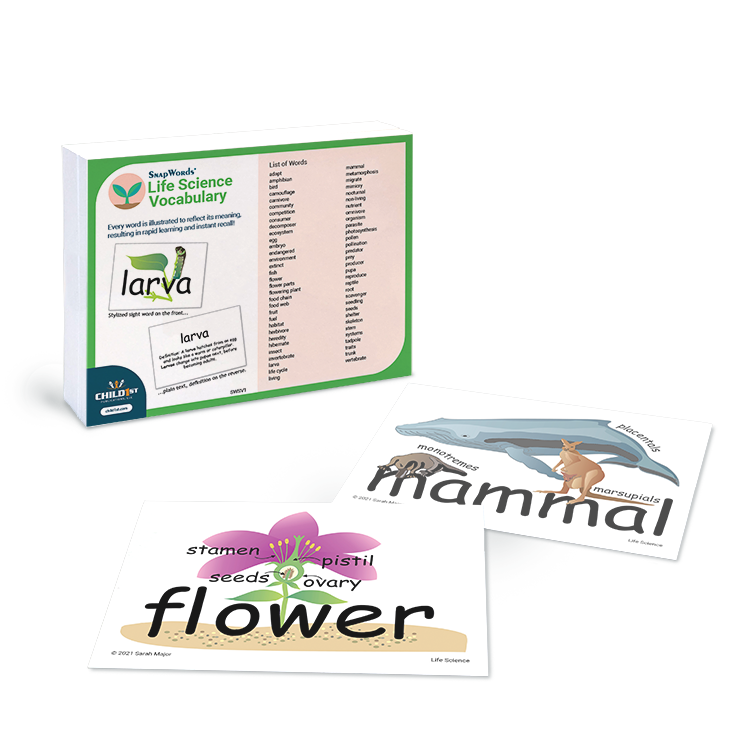
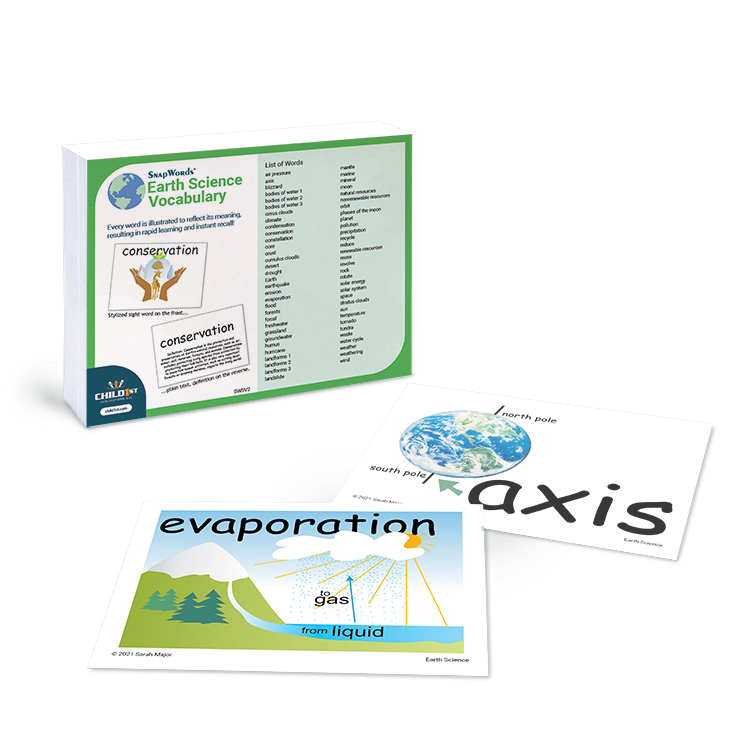
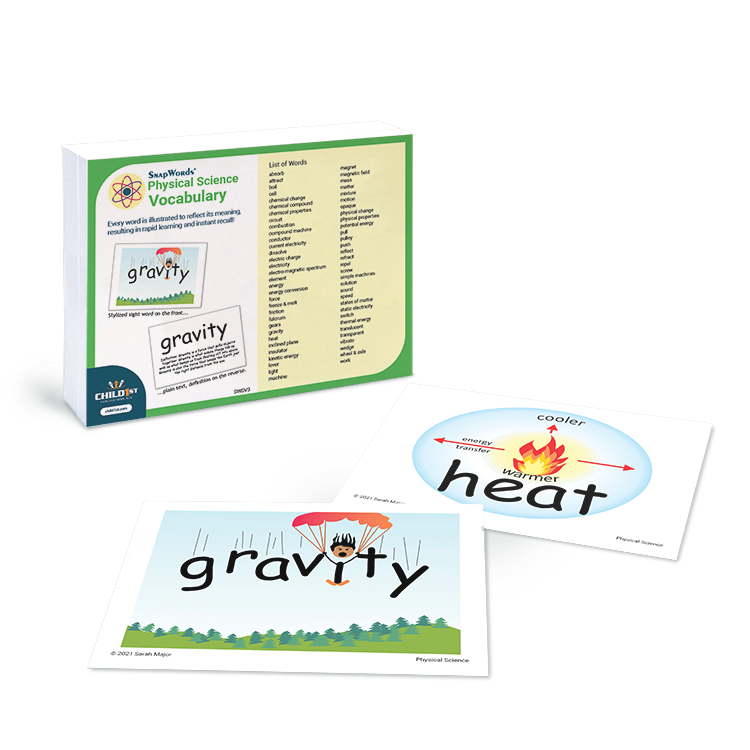







How Do SnapWords Work?
Some students can understand a phonics concept or learn a word during instruction but still struggle to retrieve it automatically later.
SnapWords provide an additional layer of multisensory reinforcement.
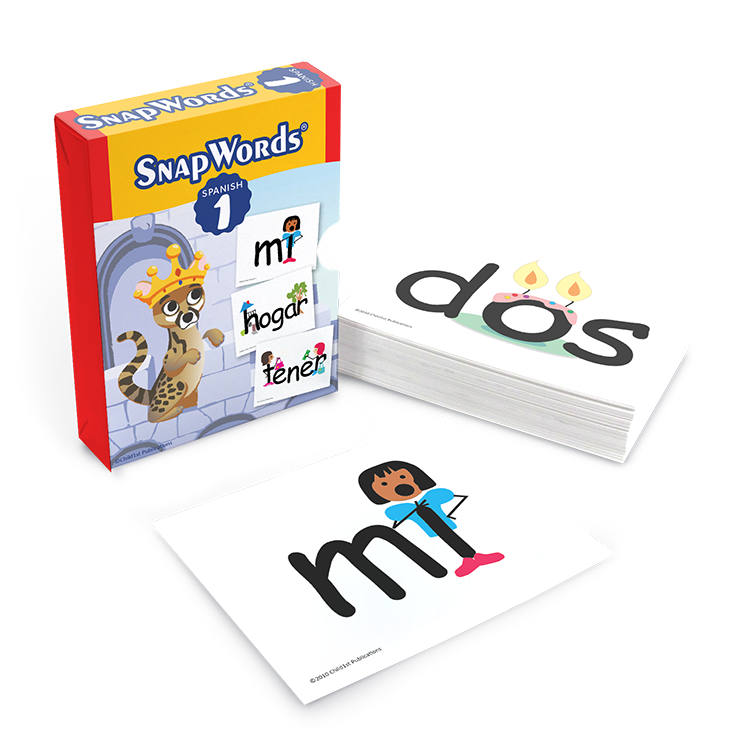
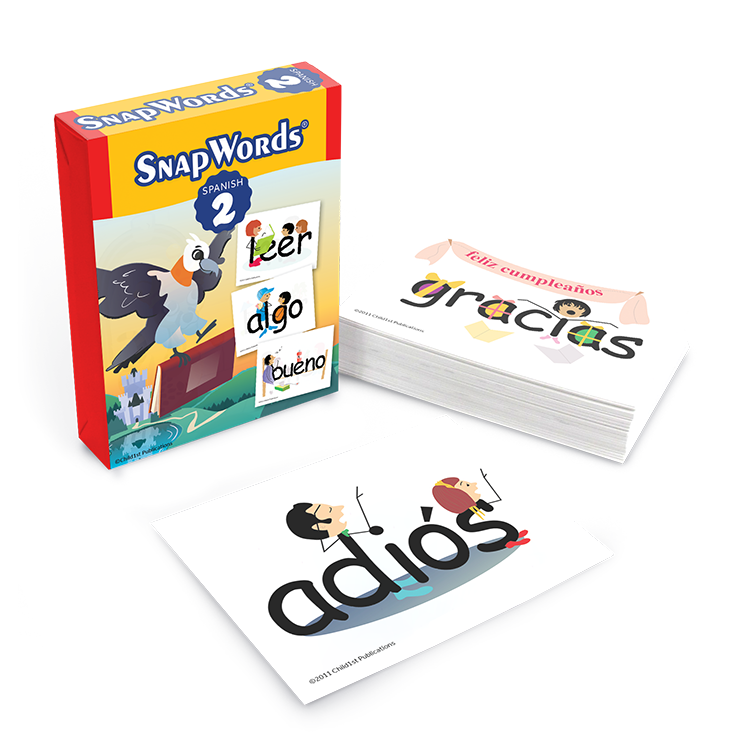
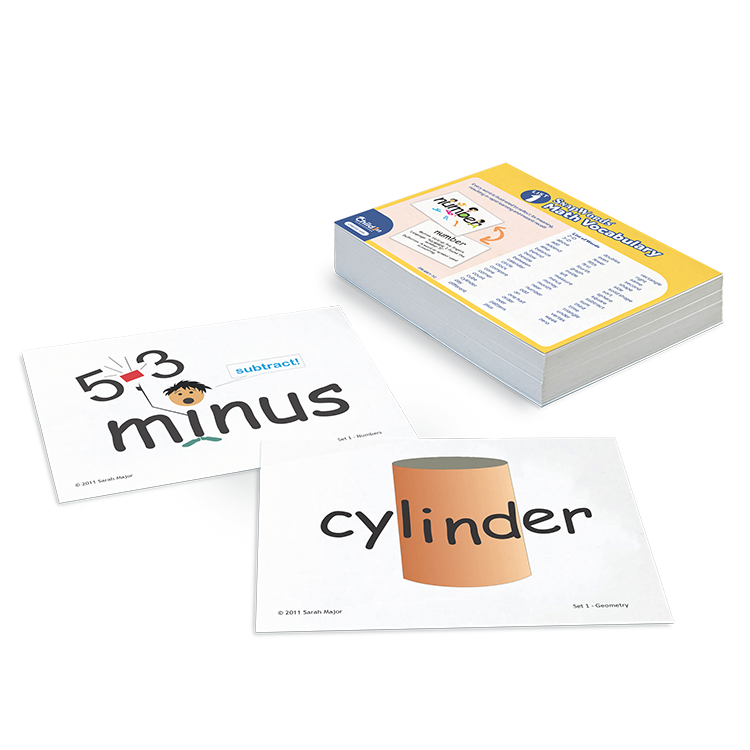
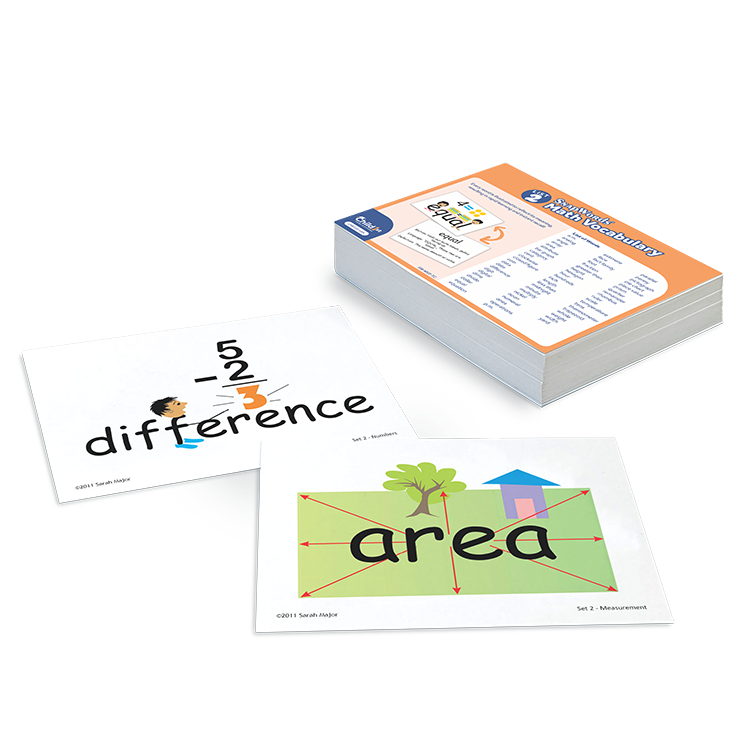
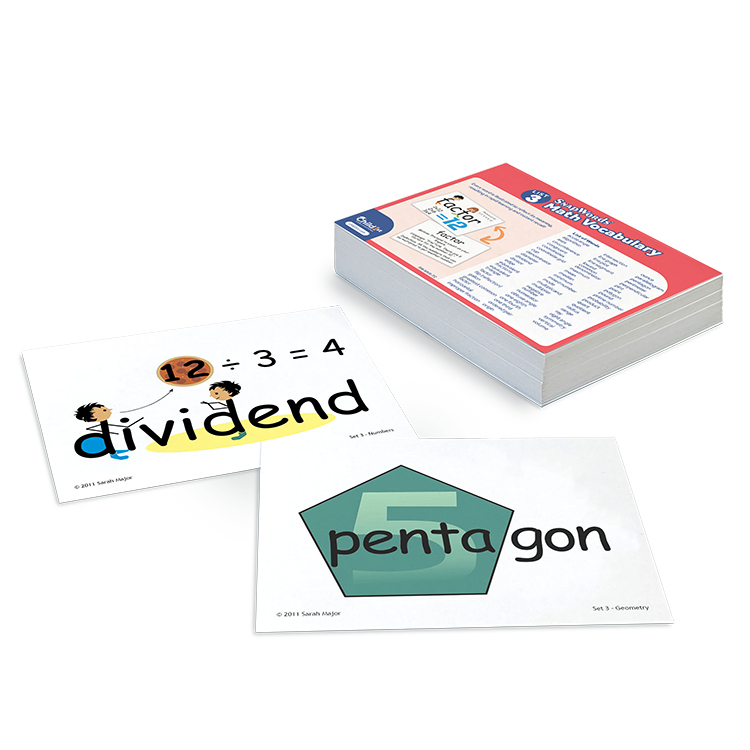
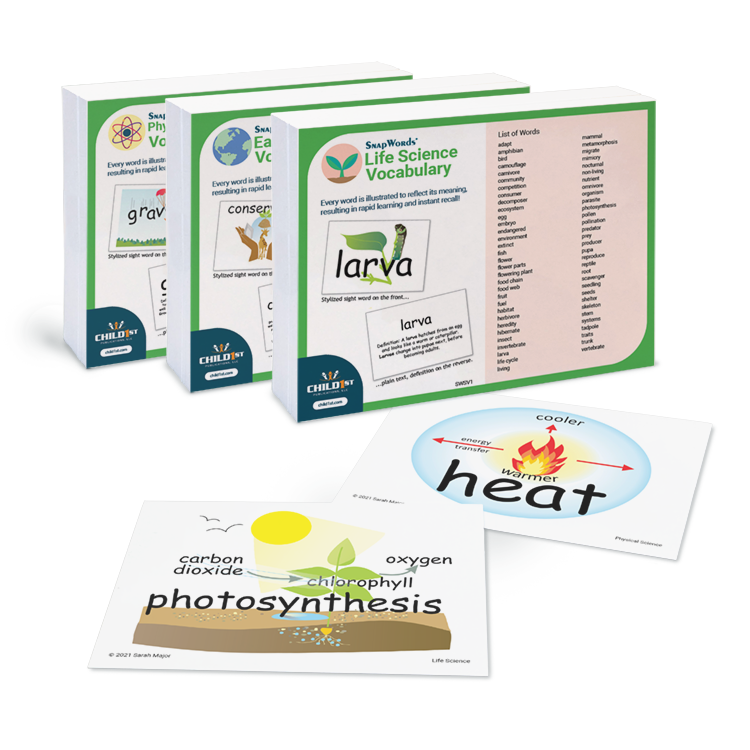
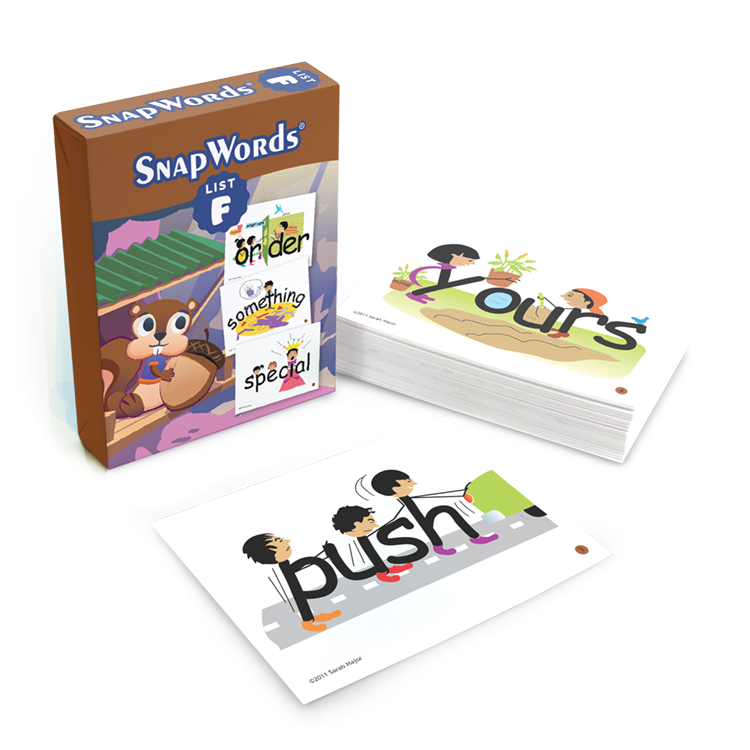
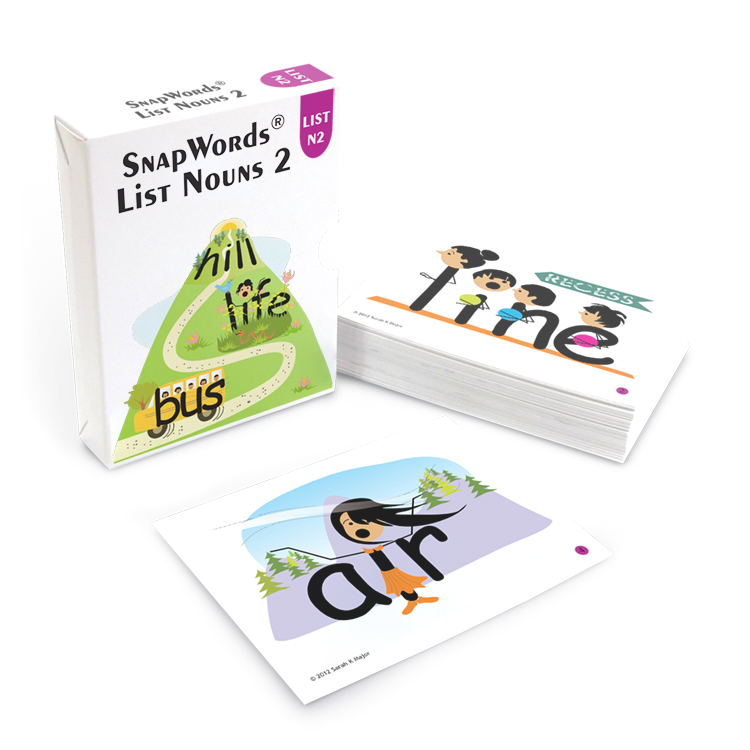
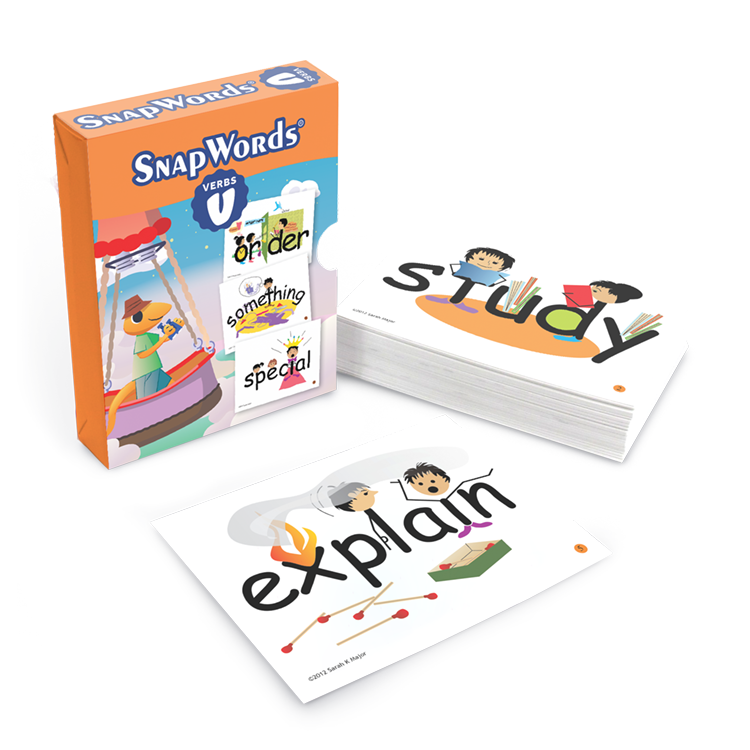
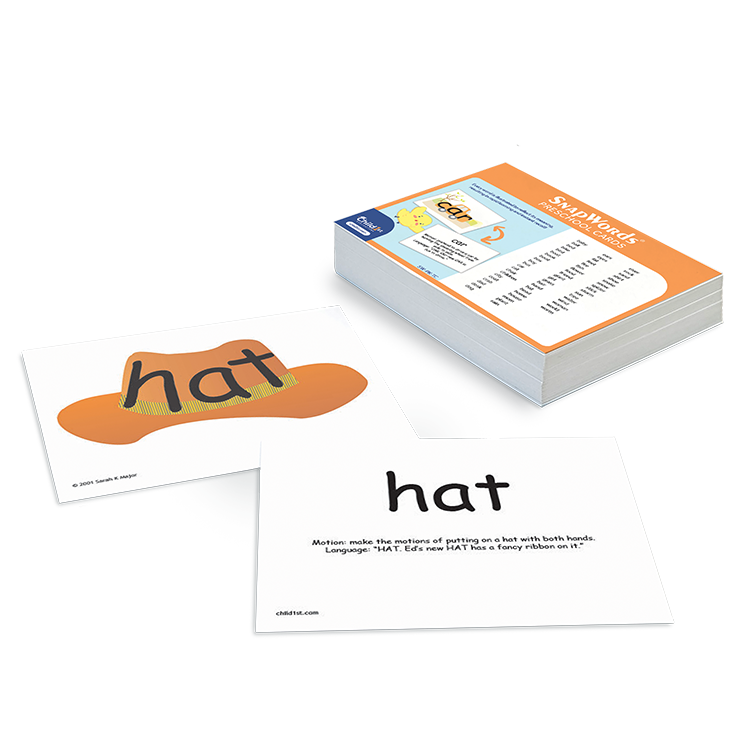
Each SnapWord combines the printed word with a meaningful visual and related body motion or verbal cue. These elements serve as temporary memory anchors while students practice retrieving the word.
The goal is not to memorize a picture or depend on the picture to read.
The goal is for the student to recognize the printed word automatically and independently.
A typical progression is:
- Teach the word explicitly
Introduce the word and draw attention to its spelling, sounds, and any regular or irregular features. - Reinforce it multisensorily
Use the SnapWords visual, motion, and verbal connections to strengthen retention. - Practice retrieval
Practice until the student recognizes the printed word quickly without relying on the visual support. - Apply it in reading
Practice recognizing the word in appropriate connected text as reading becomes increasingly automatic.
Are SnapWords Compatible With the Science of Reading?
SnapWords are designed to complement explicit phonics and structured literacy instruction—not replace them.
They are not intended to teach students to guess unfamiliar words from pictures or context.
Instead, SnapWords provide additional reinforcement after explicit instruction, helping students retain and retrieve high-frequency and irregular words more automatically.
This distinction is important:
Three-cueing: use pictures or context to help identify an unknown word.
SnapWords: explicitly teach the word → reinforce it multisensorily → practice retrieval → recognize the printed word automatically → apply it in reading.
The picture is a temporary memory anchor, not a substitute for decoding.
Who Can Benefit From SnapWords?
SnapWords may be especially useful for students who:
→ Continue to hesitate over high-frequency words after instruction
→ Have difficulty retaining irregular words
→ Need additional practice developing automatic word recognition
→ Benefit from visual, kinesthetic, and oral reinforcement
→ Read accurately but slowly because familiar words require too much effort to retrieve
→ Need repeated, engaging practice before learning becomes automatic
SnapWords can be used at home, in homeschool settings, in intervention, and in classroom instruction.
SnapWords FAQs
Are SnapWords® flash cards?
SnapWords® are multisensory sight word cards, but they differ from traditional sight word flash cards.
Instead of presenting only a printed word for repetition, SnapWords® combine the word with meaningful visual, kinesthetic, and oral reinforcement. Students then practice until they can recognize the printed word automatically without the additional support.
Do SnapWords® teach children to memorize whole words instead of using phonics?
No. SnapWords® are not intended to replace phonics or decoding instruction.
Child1st recommends explicit, systematic literacy instruction first. SnapWords® provide additional reinforcement for high-frequency and irregular words that have already been introduced.
Are SnapWords® a three-cueing strategy?
No. SnapWords® do not teach students to look at a picture or use sentence context to guess an unfamiliar word.
The visual is associated with a word that is being explicitly taught and serves as a temporary memory anchor during practice. The goal is independent recognition of the printed word.
When should the pictures be removed?
As soon as the student can retrieve the word automatically, practice should increasingly emphasize the printed word without the visual support.
The picture is a bridge to automatic recognition, not the end goal.
Should I start with List A?
For students who are new to SnapWords®, List A is the standard starting point. If your student already recognizes many high-frequency words automatically, use the SnapWords Assessment to determine which list best matches their needs.
Can SnapWords® be used with structured literacy?
Yes. SnapWords® can be used as supplemental multisensory reinforcement within explicit, systematic literacy instruction.
SnapWords® provide additional practice to help students retain and automatically recognize high-frequency and irregular words that have been explicitly taught. They are designed to complement—not replace—phonemic awareness, phonics, decoding, encoding, decodable reading, and fluency practice.
See how to incorporate Child1st resources into your existing curriculum:
For Schools & Classrooms | For Home & Homeschool