

Pocket Chart

Price
Regular price $ 18.00
Regular price $ 18.00 Sale price $ 18.00
Save $ 0
/
Format Guide

Physical: physical product with digital resources

Download: printable PDF file(s)

Slideshow: slideshow(s) with audio

Shipping calculated at checkout.
  • In stock, ready to ship
  • Backordered, shipping soon
  • Free U.S. Shipping
  • 30 Day Return

Try Before You Buy

Description
Product Specs
Related Articles
Tools & Resources

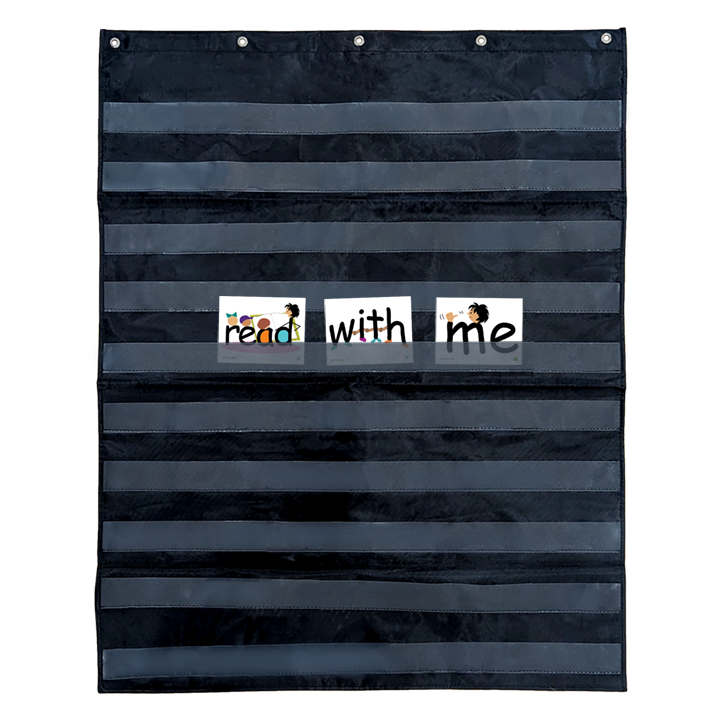
Create an organized, hands-on literacy center with a durable classroom pocket chart.

This large pocket chart is ideal for building an independent SnapWords® center or supporting daily word work activities. The clear pockets make it easy for students to see, manipulate, and organize cards during sentence-building, word sorting, and fluency practice.

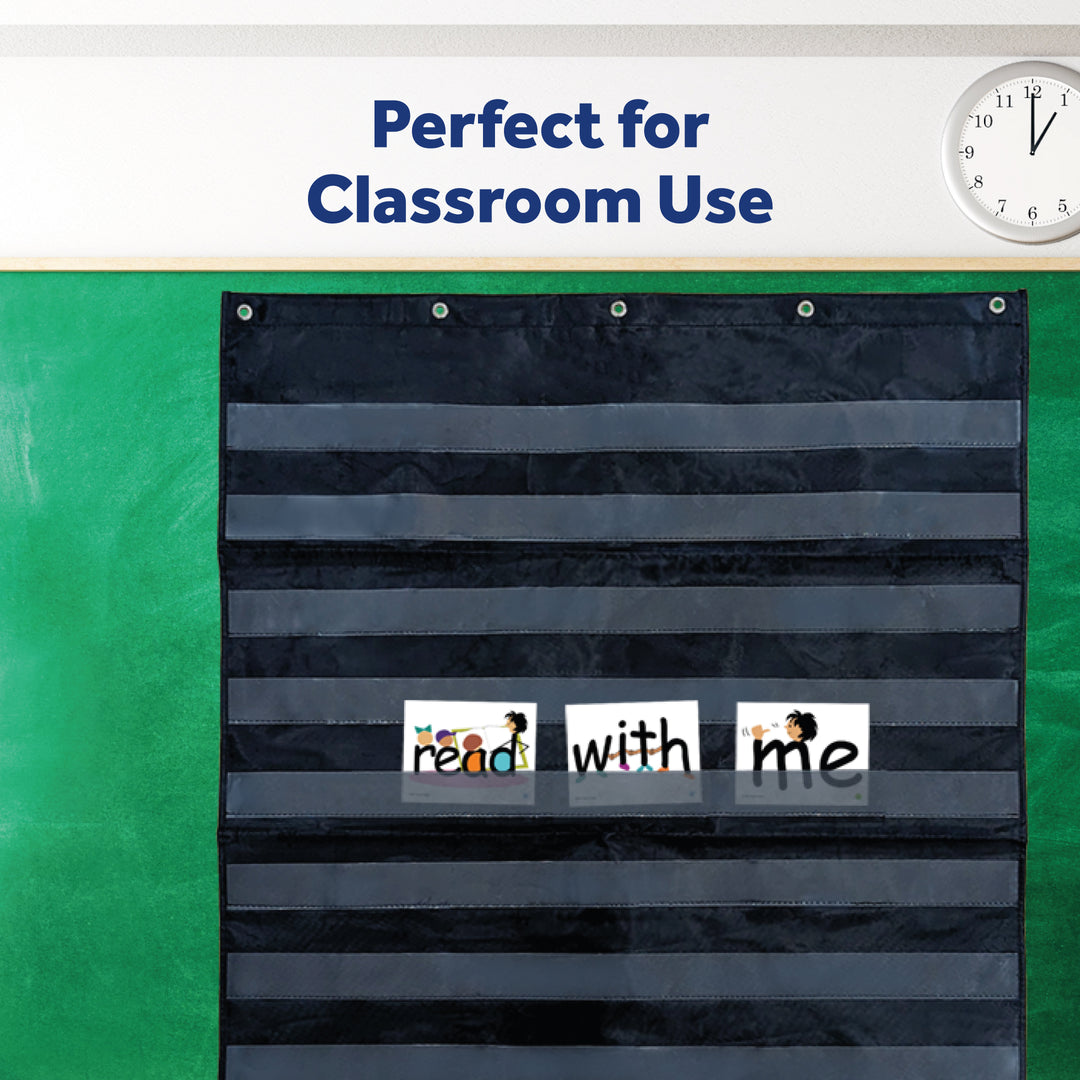
Designed for classroom durability and easy visibility, this pocket chart supports structured literacy routines without taking up valuable desk space.


Perfect For

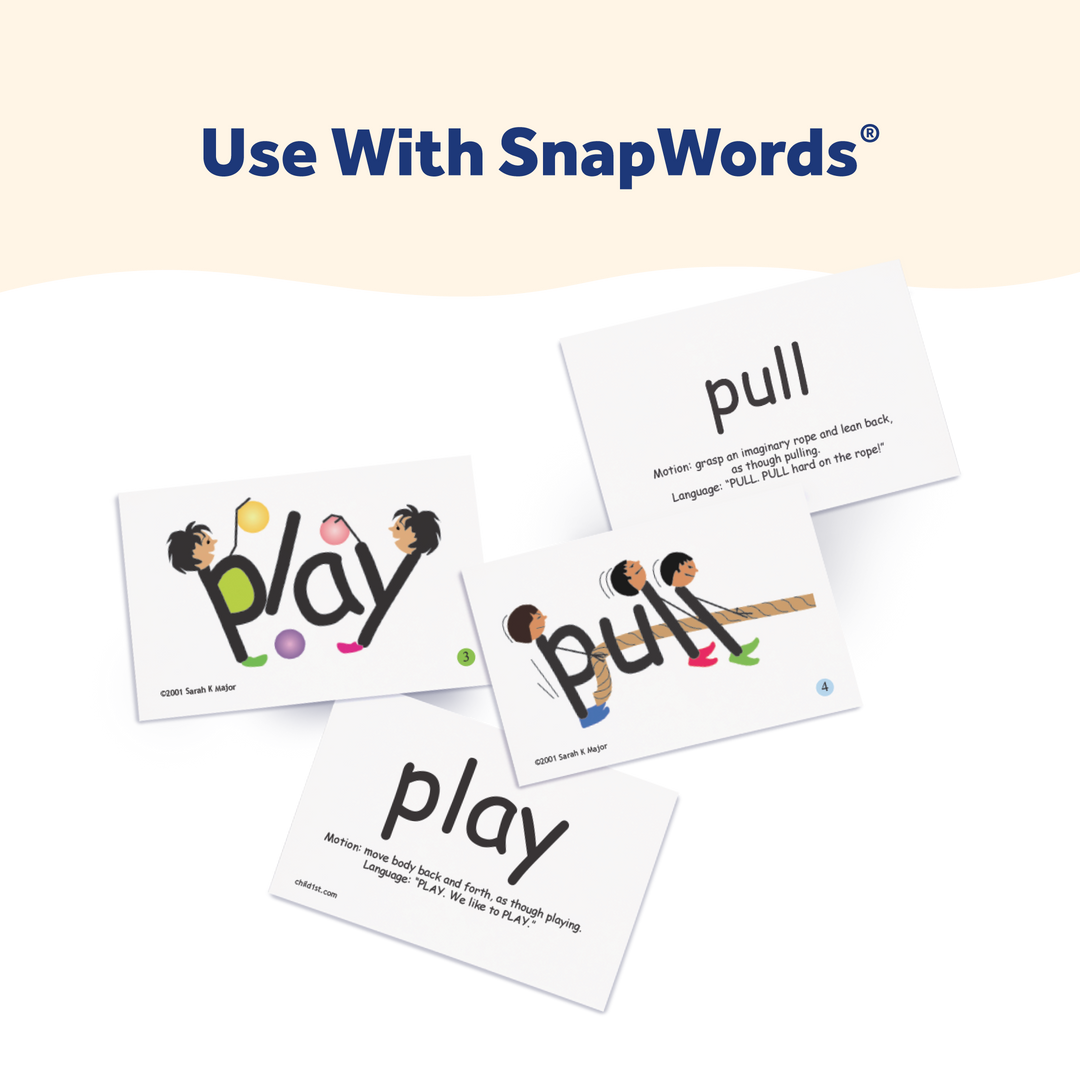
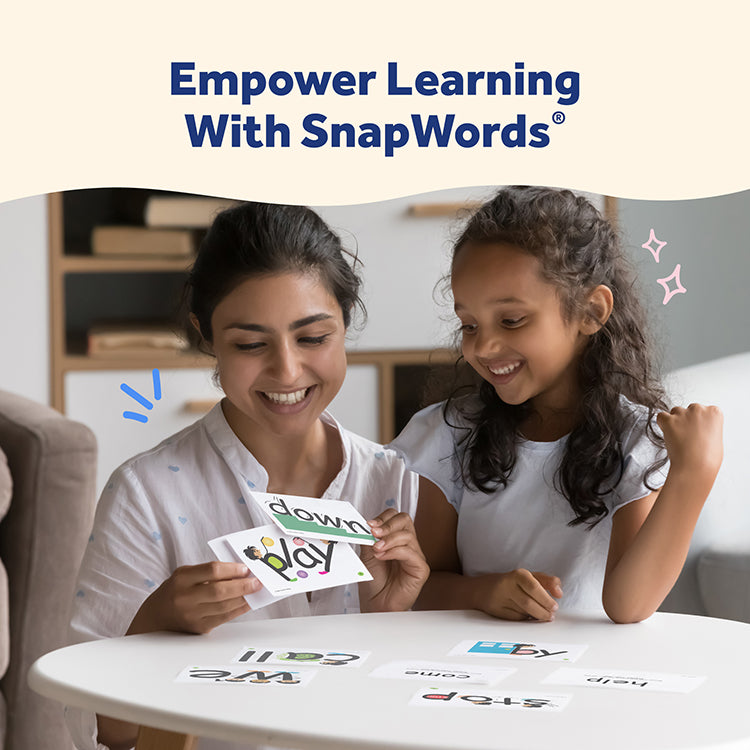
  • SnapWords® centers
  • Sentence building and unscramble activities
  • Word sorting by spelling pattern or category
  • Small-group instruction
  • Whole-class modeling

Product Details

  • Dimensions: 34" wide x 44" long
  • 10 clear pockets spaced 4" apart
  • Designed to hold SnapWords® Pocket Chart Cards and Teaching Cards

Note: Cards shown in product images are not included.


A Practical Classroom Essential

Whether you're creating a literacy station or leading whole-group instruction, this pocket chart helps keep materials visible, organized, and accessible—making interactive learning simple and effective.
  • Phyical
    34” W x 44” L
You may also like

FAQs

Learning styles refer to the different ways in which individuals naturally approach and process information, influencing how people learn, understand, and remember new material. Learning styles matter because they impact how effectively individuals can absorb and retain information. Understanding and accommodating these natural strengths can enhance the learning experience in a multitude of ways.

We intentionally avoid labeling our resources with specific grade levels or ages to place the emphasis on each child's unique abilities. While the skills covered typically span from kindergarten to third grade, individuals of various ages have found success with our materials.

Right-brain learners possess distinct characteristics that distinguish them from their left-brain counterparts. These characteristics pertain to their information intake, processing methods, and preferred memory strategies. When we discuss right-brain learning, we are essentially describing the way they naturally absorb, process, and retain information.

Right-brain dominant learning, often associated with the right hemisphere of the brain, refers to a learning style that emphasizes creative and holistic approaches to understanding and retaining information. Strategies that are highly effective include multisensory materials, visuals, stories, movement, and hands-on activities.

Children who lean towards right-brained thinking exhibit a unique aptitude for envisioning fresh solutions, devising innovative designs, and grasping the broader perspective. These creative and imaginative learners often excel in artistic pursuits, music, or sports. They possess the remarkable ability to swiftly absorb and remember information when presented visually, using tools such as images, graphs, maps, and information organizers. This visual learning approach proves to be considerably more efficient and effective compared to traditional methods like repetition, memorization, or drilling. By connecting new content with visual aids, we help right-brained learners strengthen their less dominant hemisphere, fostering a well-rounded learning experience.

Recently viewed