


Toobaloo®

Price
Regular price $ 10.00
Regular price Sale price $ 10.00
Save $ -10
/
Format Guide

Physical: physical product with digital resources

Download: printable PDF file(s)

Slideshow: slideshow(s) with audio

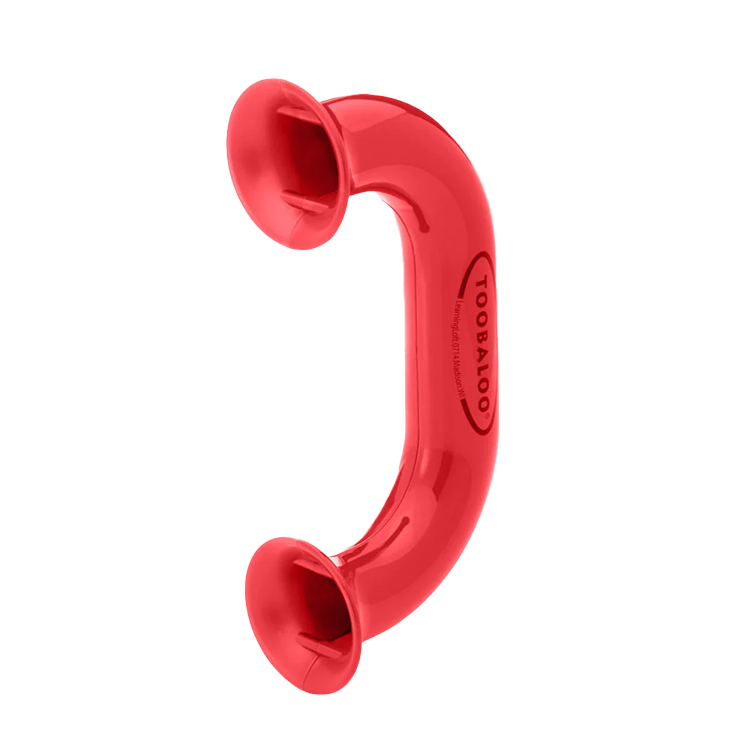
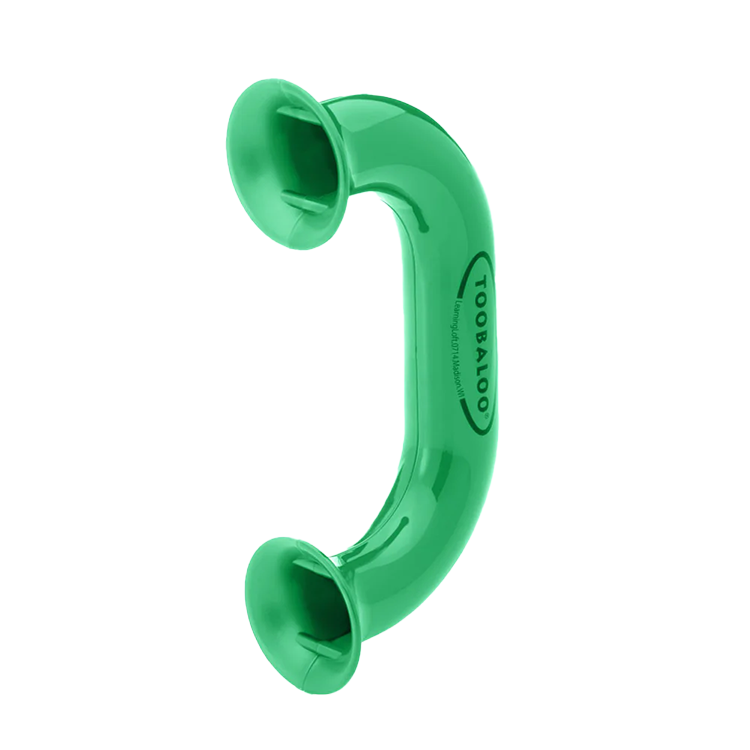
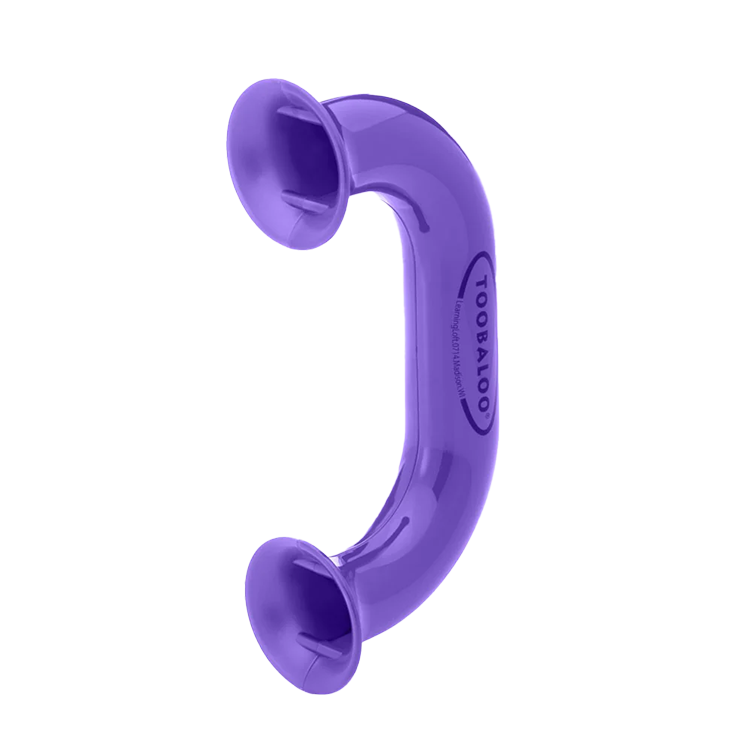
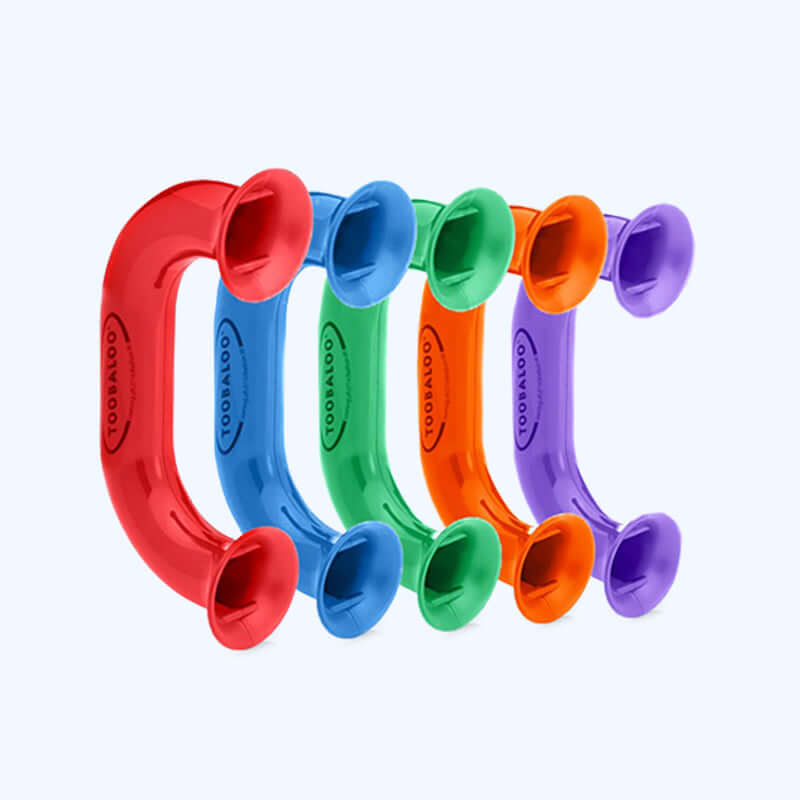
Color Red
Shipping calculated at checkout.
  • Low stock - 1 item left
  • Backordered, shipping soon
  • Free U.S. Shipping
  • 30 Day Return

Try Before You Buy

Description
Product Specs
Related Articles
Tools & Resources

Boost fluent reading with instant “hear-yourself” feedback—without disrupting the classroom.

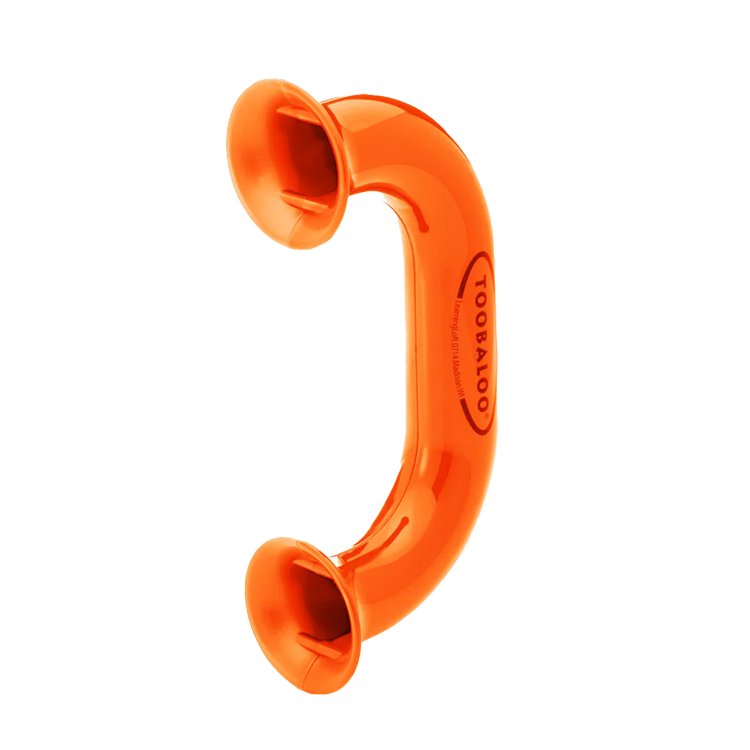
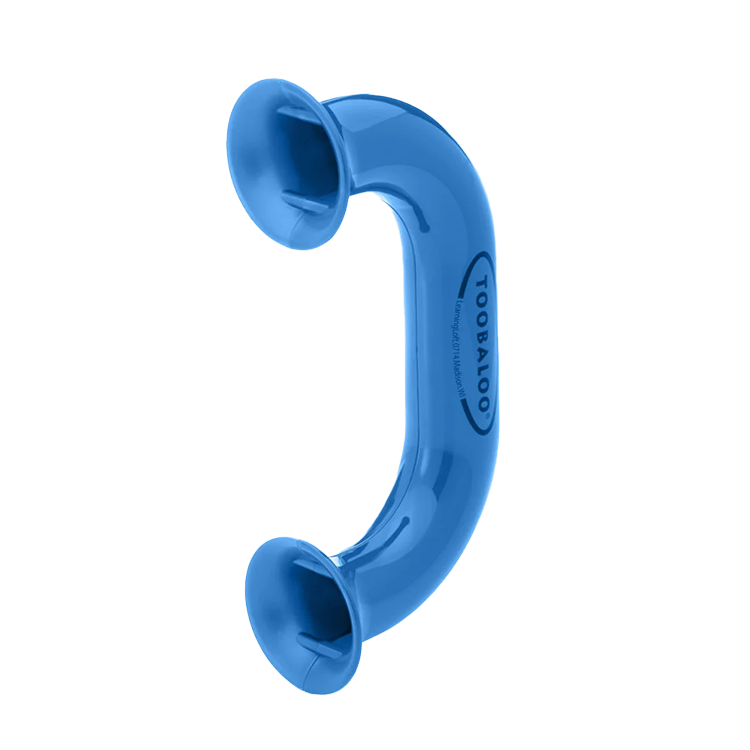
Toobaloo® is a simple, phone-like reading tool that lets students hear their own voice more clearly while reading softly. By amplifying a child’s voice directly back to their ears, Toobaloo® encourages self-monitoring—helping students notice accuracy, pacing, expression, and pronunciation in the moment.


Why Teachers Love Toobaloo®

  • Whisper reading that works – Students can read aloud quietly while still hearing themselves clearly.
  • Built-in self-check – Encourages students to monitor pacing, phrasing, and expression.
  • Makes rereading easy – Perfect for repeated reading practice to build fluency.
  • Classroom-friendly – Supports oral reading practice without raising the noise level.
  • Great for diverse learners – Helpful for students who benefit from auditory feedback while reading and speaking.

Classroom Uses

  • Whole-group independent reading: Students read softly to themselves while you circulate and listen in.
  • Literacy centers: Use in fluency stations for rereading familiar text.
  • Small-group follow-up: Students can reread guided reading passages independently right after group time.
  • Home practice: Send home for extra fluency practice (especially helpful for reluctant readers).

Key Benefits

  • Clear auditory feedback to support self-monitoring
  • Supports reading rate, phrasing, and expression
  • Builds confidence through successful oral reading practice
  • Encourages daily read-aloud practice without disturbing others
  • Motivating and fun for many students

A Note for Support Settings

Many educators also use Toobaloo® in intervention and support settings where students benefit from hearing themselves more clearly during reading or speech practice. (As with any instructional tool, results vary by student and implementation.)
Dimensions: 6.5” W x 1.75” L x 2.75” H
Weight: 1.02 oz.
Break-resistant plastic
Non-toxic
Made in the USA
CPSIA Certified

You may also like

FAQs

Learning styles refer to the different ways in which individuals naturally approach and process information, influencing how people learn, understand, and remember new material. Learning styles matter because they impact how effectively individuals can absorb and retain information. Understanding and accommodating these natural strengths can enhance the learning experience in a multitude of ways.

We intentionally avoid labeling our resources with specific grade levels or ages to place the emphasis on each child's unique abilities. While the skills covered typically span from kindergarten to third grade, individuals of various ages have found success with our materials.

Right-brain learners possess distinct characteristics that distinguish them from their left-brain counterparts. These characteristics pertain to their information intake, processing methods, and preferred memory strategies. When we discuss right-brain learning, we are essentially describing the way they naturally absorb, process, and retain information.

Right-brain dominant learning, often associated with the right hemisphere of the brain, refers to a learning style that emphasizes creative and holistic approaches to understanding and retaining information. Strategies that are highly effective include multisensory materials, visuals, stories, movement, and hands-on activities.

Children who lean towards right-brained thinking exhibit a unique aptitude for envisioning fresh solutions, devising innovative designs, and grasping the broader perspective. These creative and imaginative learners often excel in artistic pursuits, music, or sports. They possess the remarkable ability to swiftly absorb and remember information when presented visually, using tools such as images, graphs, maps, and information organizers. This visual learning approach proves to be considerably more efficient and effective compared to traditional methods like repetition, memorization, or drilling. By connecting new content with visual aids, we help right-brained learners strengthen their less dominant hemisphere, fostering a well-rounded learning experience.

Recently viewed