

Easy-for-Me™ Children's Readers Set C

Price
Regular price $ 35.00
Regular price Sale price $ 35.00
Save $ -35
/
Format
Format Guide

Physical: physical product with digital resources

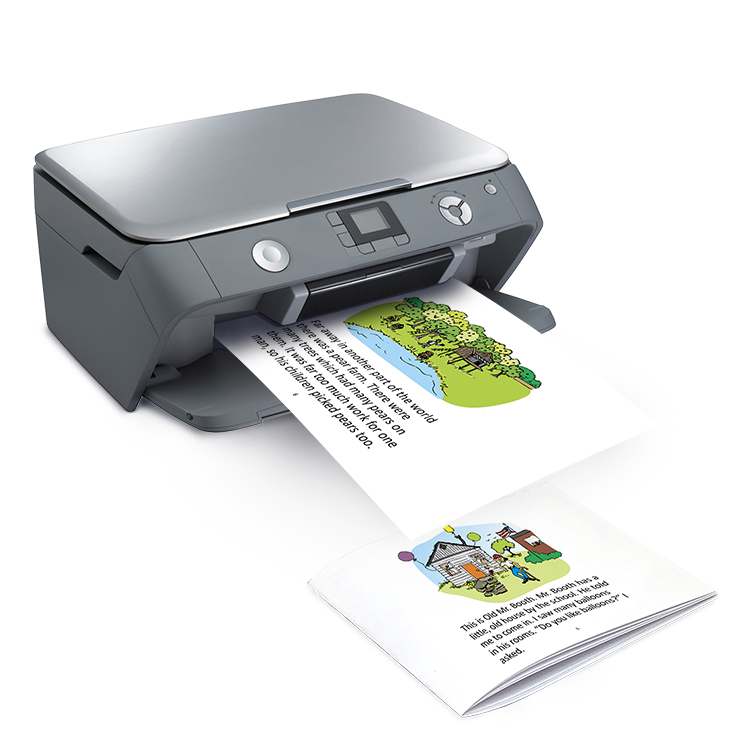
Download: printable PDF file(s)

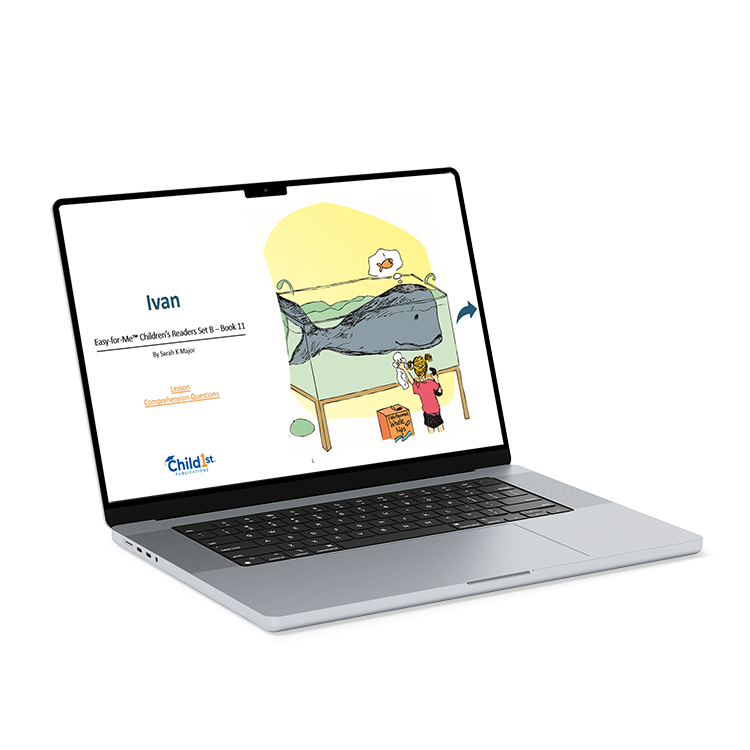
Slideshow: slideshow(s) with audio

Shipping calculated at checkout.
  • In stock, ready to ship
  • Backordered, shipping soon
  • Free U.S. Shipping
  • 30 Day Return

Try Before You Buy

Description
Product Specs
Related Articles
Tools & Resources

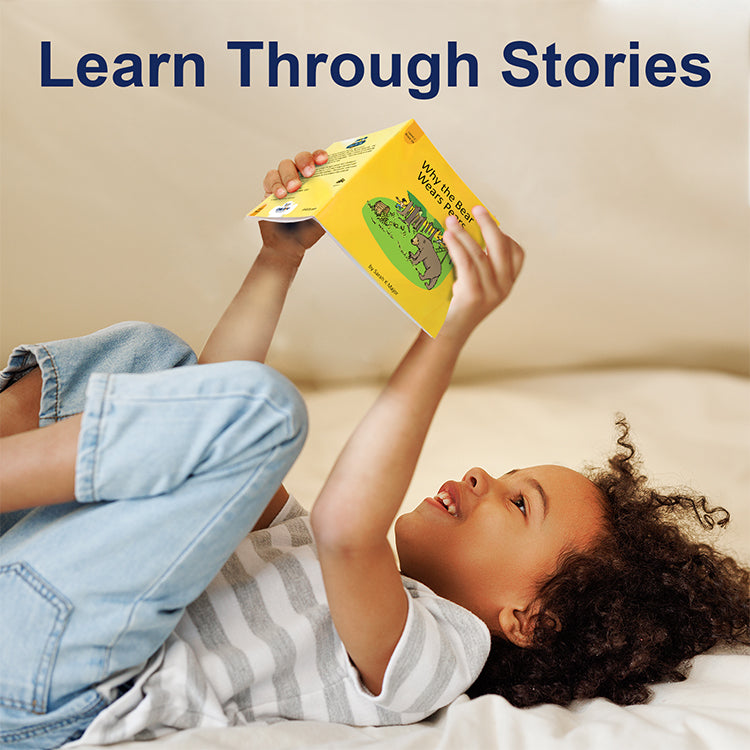
Strengthen decoding skills and expand vocabulary with targeted phonics practice in meaningful stories.

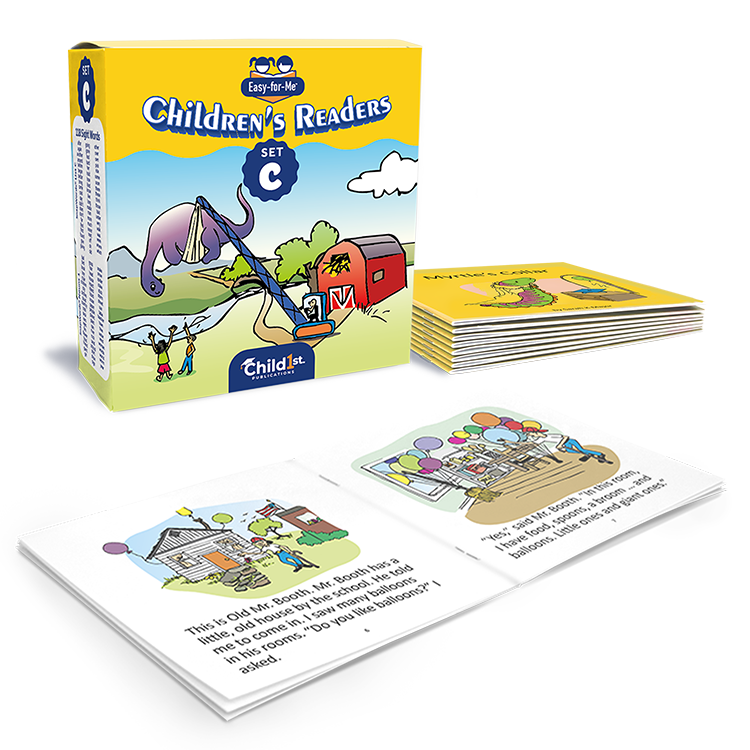
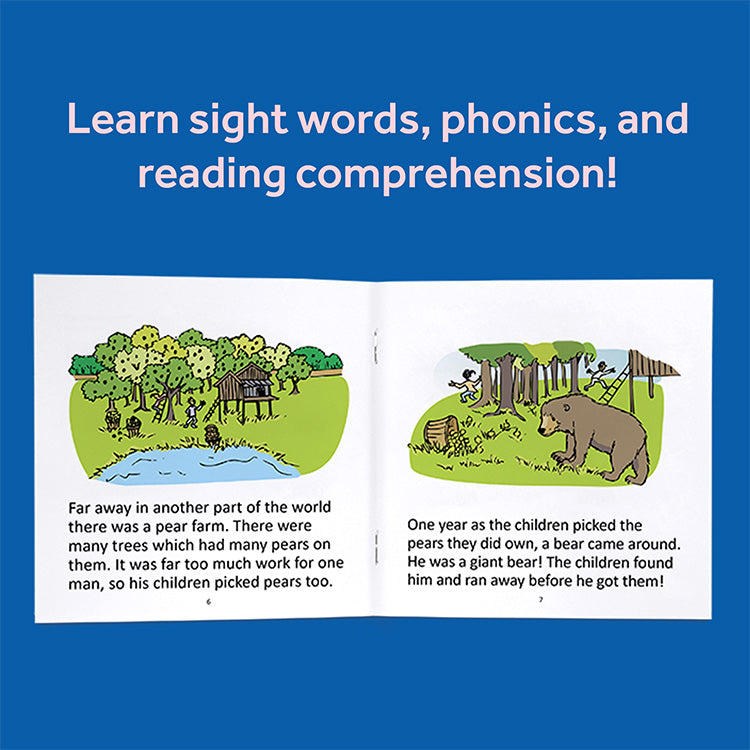
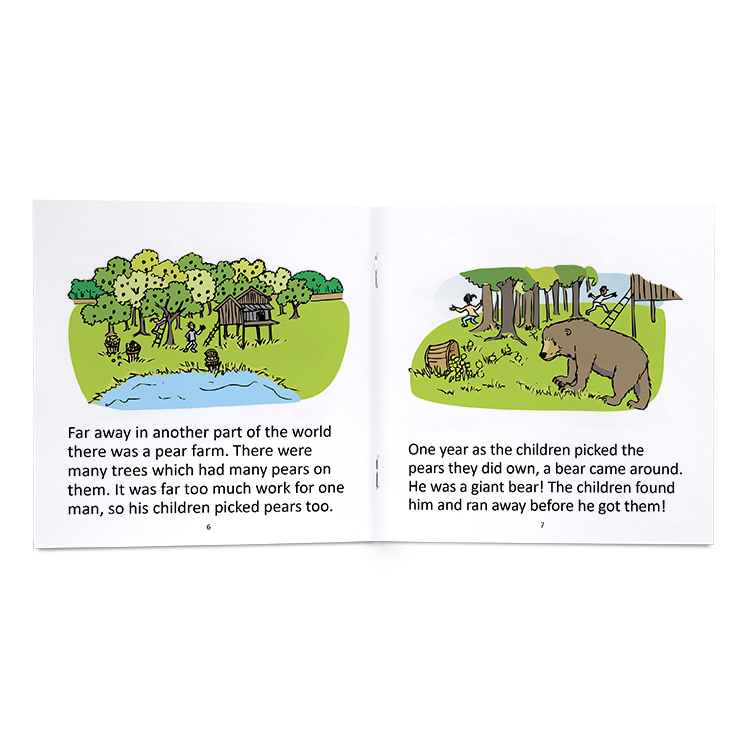
Easy-for-Me™ Children’s Readers Set C helps developing readers master more advanced spelling patterns while continuing to build fluency and comprehension. These carefully structured decodable books provide explicit phonics instruction within engaging, manageable stories that students can successfully read.

Set C expands students’ understanding of complex vowel combinations and reinforces high-frequency vocabulary through repeated, purposeful exposure.


Skills Reinforced in Set C

  • Long and short OO sounds
  • OY and OI spellings
  • Expanded R-controlled spellings
  • OW and OU spellings
  • Reading practice for all 59 words from SnapWords® List C
  • Reading practice for all 59 words from SnapWords® Nouns 1
  • Additional targeted phonics patterns

Why Teachers and Parents Choose Set C

  • Explicit phonics reinforcement – Stories align with specific spelling and sound patterns.
  • Supports vocabulary growth – Integrates noun development alongside phonics instruction.
  • Builds decoding confidence – Students apply new patterns in controlled text.
  • Comprehension included – Mini lessons and comprehension questions extend learning.
  • Encourages independent reading – 12-page format supports successful practice.

What’s Included

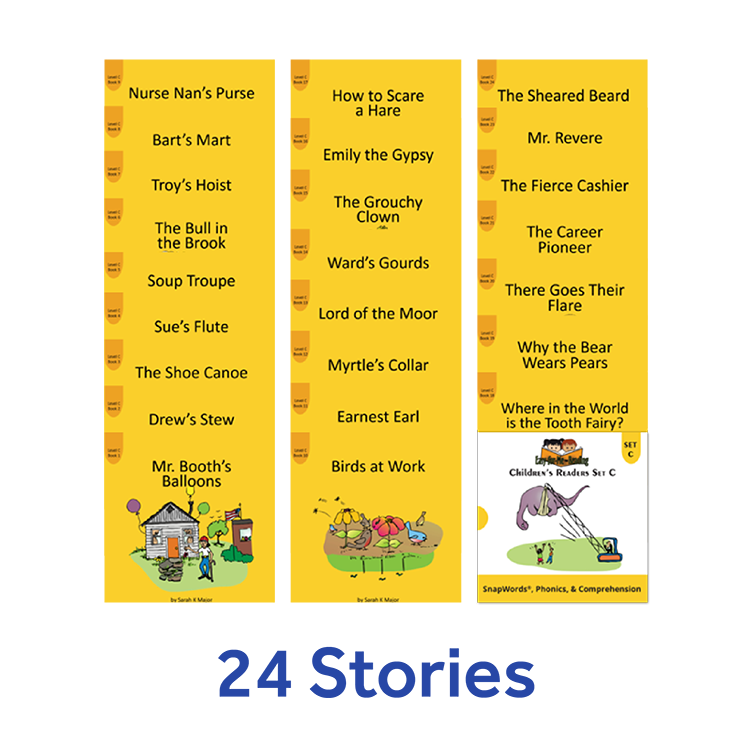
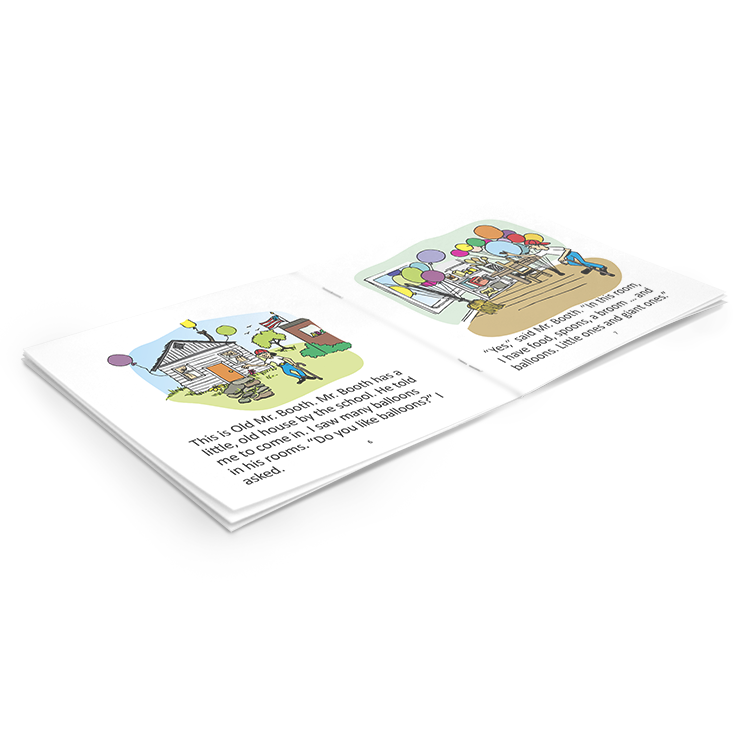
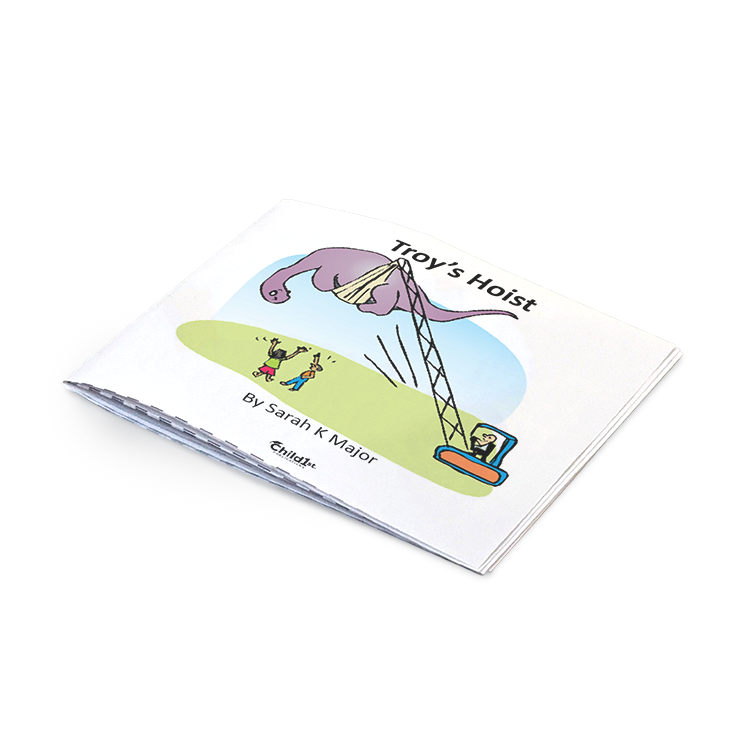
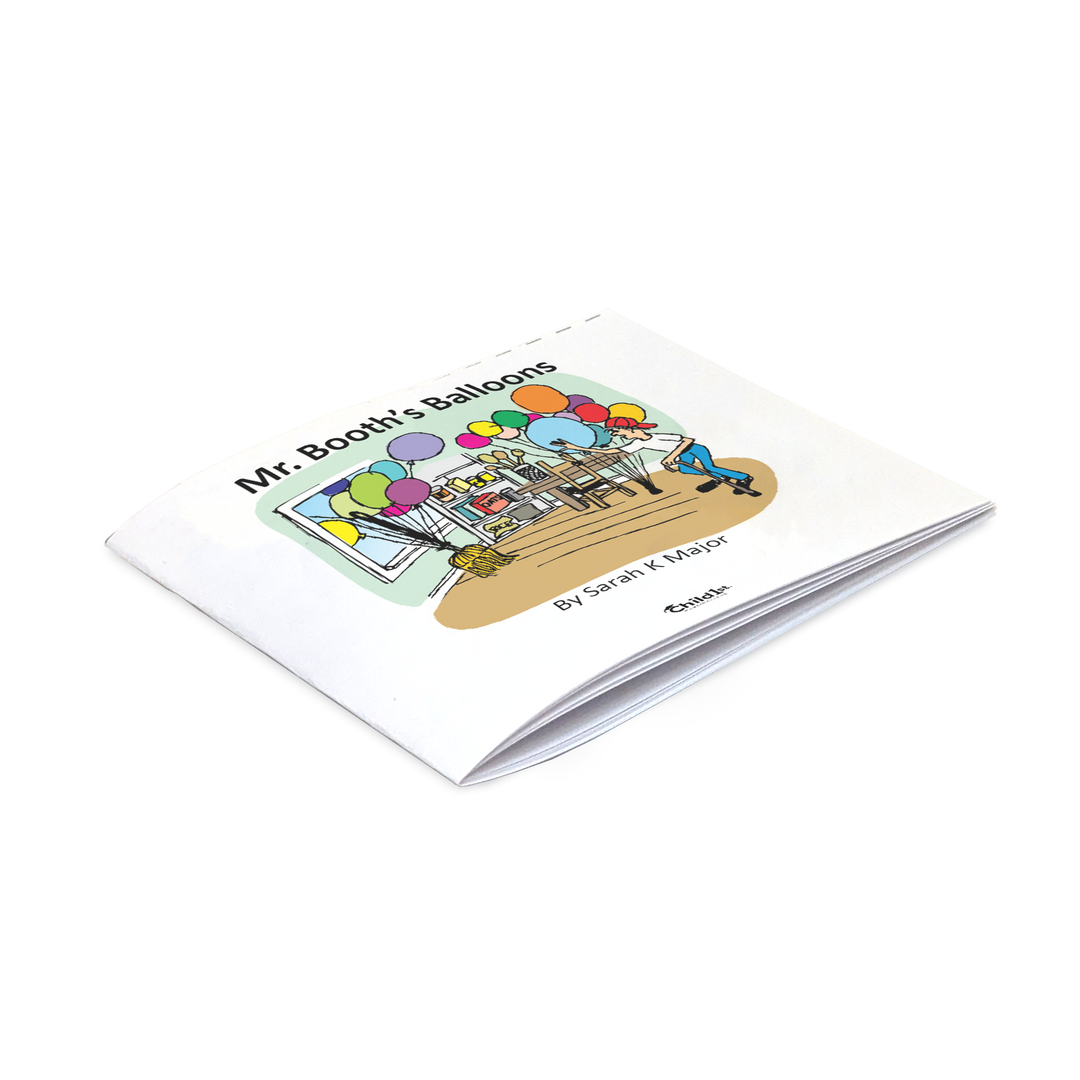
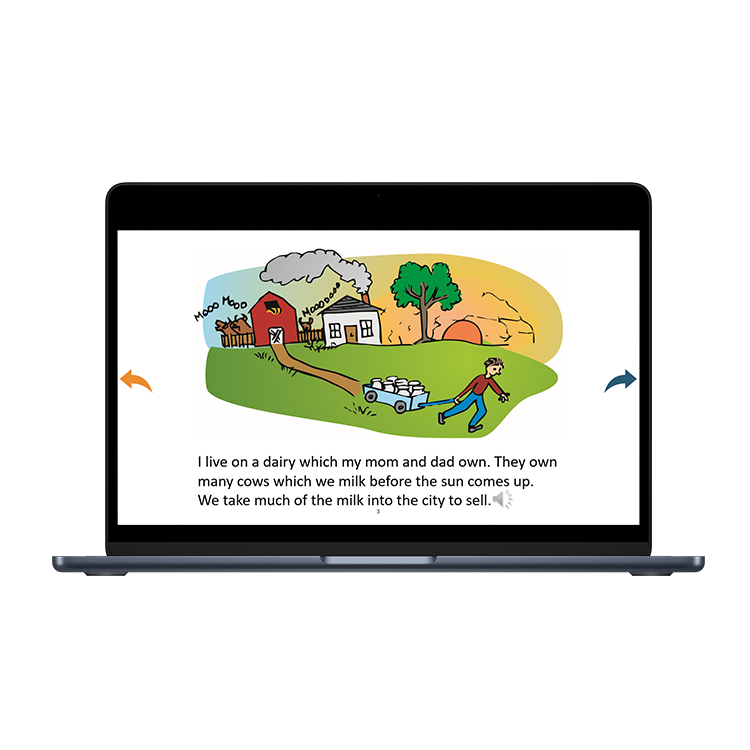
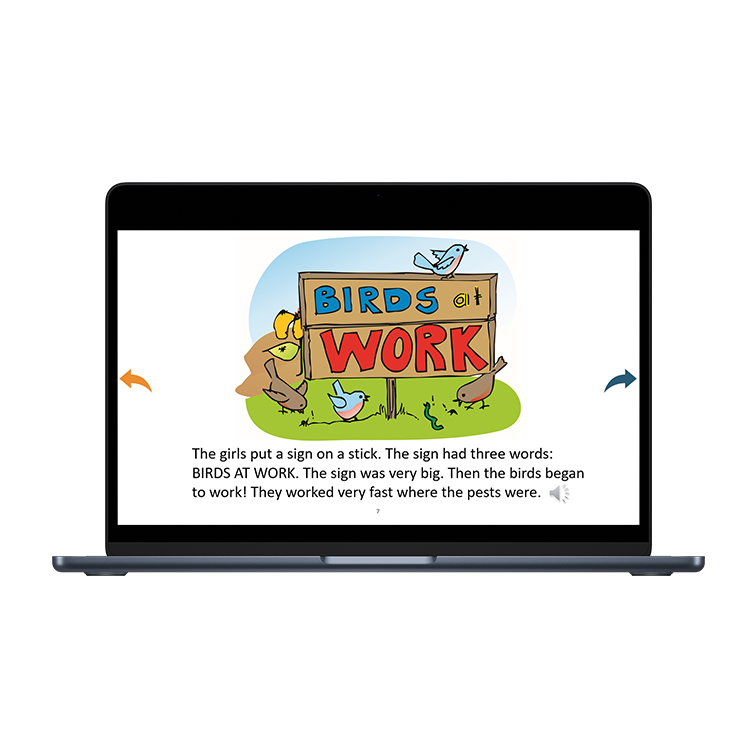
  • 24 full-color, 12-page decodable readers
  • Storage sleeve for organization
  • Mini lessons and comprehension questions woven into the stories

An ideal next step for readers ready to tackle more complex spelling patterns while strengthening fluency and understanding.
  • Physical
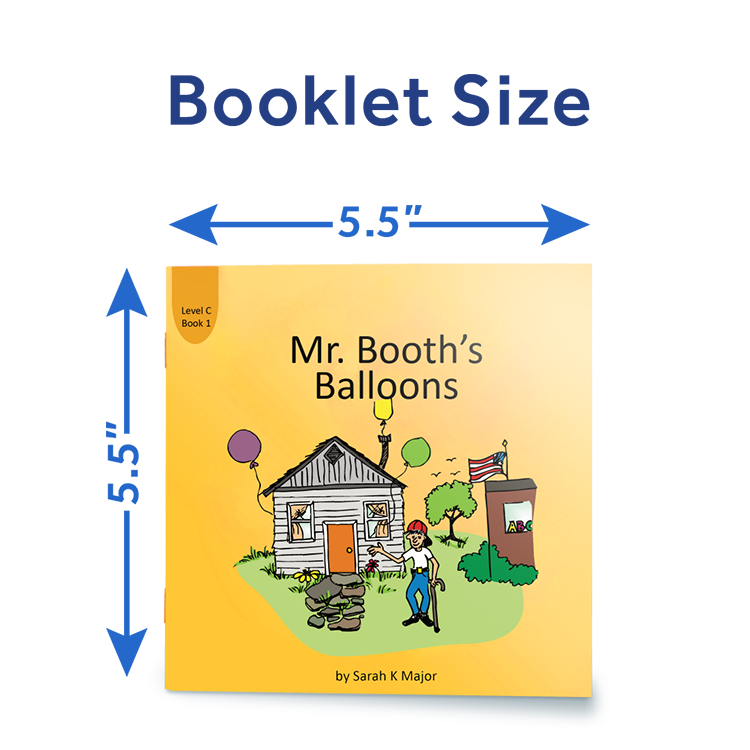
    Physical set of books measuring 5.5” x 5.5”, softcover, available in single sets or 7 packs
  • Download
    Printable PDF file of the books
  • Slideshows
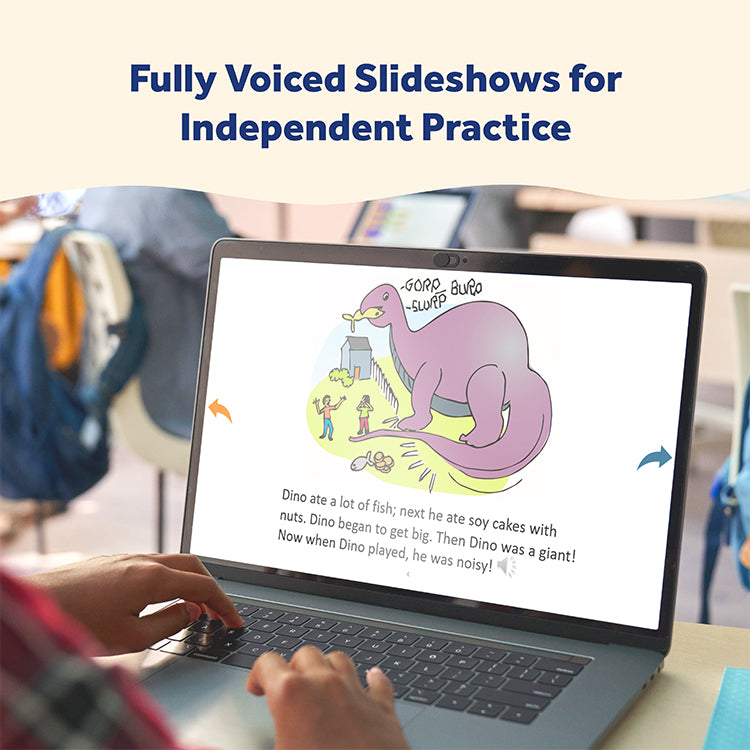
    Includes PowerPoint slides with audio
You may also like

FAQs

Stories and visuals serve as potent instruments for engaging and educating children. Young learners naturally gravitate toward visual stimuli, stories that captivate their imagination, and interactive, tactile experiences. When crafting each letter of the alphabet, align its shape with a recognizable object. This association links the letter's form with its corresponding sound. By incorporating images, children can seamlessly connect letter shapes with their phonetic sounds. The addition of stories and imagery reinforces the memorization of letters and their associated sounds. Furthermore, the inclusion of hands-on and tactile activities enhances the learning experience.

Teaching the alphabet in the traditional alphabetical order, as seen in the alphabet song, isn't inherently magical or more effective. Letters in words don't always follow the alphabetical sequence either. Alphabet Tales takes a different approach by presenting the alphabet in a deliberate order that enables young learners to construct simple words right away. This approach offers a clever and practical way to demonstrate the purpose of letters to children. For instance, Alphabet Tales introduces the Letter A and its associated sound first, followed immediately by the letter T. This allows children to form the word "AT." Subsequently, the introduction of the letter C forms the word "CAT," and so on. By showing the practical application of letters and their sounds, Alphabet Tales provides a more meaningful and engaging way for young children to learn.

Embrace a holistic approach to learning to read, one that engages multiple regions of the brain and the body—a comprehensive "whole body/brain learning" strategy. This method taps into the brain's optimal learning mode, which is through sensory input encompassing body movement, visuals, tactile experiences, and tangible objects, as opposed to static images. To effectively support kinesthetic learners, consider the following tips: encourage physical replication, link abstract concepts to tangibles, involve hands-on learning, employ multimodal teaching, and integrate problem-solving with tangible objects.

Complete the learning cycle to ensure the learning process forms a full circle. When you teach through all three modalities, the second step involves allowing the child time to deepen their understanding by drawing, writing a phrase using the new word, and illustrating it. The final step is when the child can articulate and demonstrate what they've learned, showing you the drawings they've created and discussing their learning journey. This process ensures that information is absorbed, organized, and committed to long-term memory, and then it is shared verbally and tangibly—an exceptionally effective and beautiful learning approach.

Multisensory resources, in general, are tailored to diverse learning styles and prove exceptionally effective for children with varying learning needs. They foster a more inclusive and flexible learning environment, empowering these children to grasp concepts more readily and with heightened engagement. Our multisensory materials are specifically designed to address the unique needs of children with learning differences, ensuring their success.

Recently viewed